The Art of Abstraction: Understanding Styles and Decorating Your Space
Abstract art doesn’t ask you to recognise a face, a place, or a perfect object. Instead, it invites you to pause, feel, and interpret. One person sees chaos. Another finds calm. That’s the quiet magic of abstract artwork. It speaks without words and connects without rules. In a world filled with noise and literal meaning, an abstract painting offers space to breathe, imagine, and reflect.
Whether you are an art lover, a curious beginner, or someone looking to decorate a home with bold expression, abstract art opens doors that traditional art often keeps closed. Let’s explore what abstract art really is, its different types, how to appreciate it, and how to bring it into your living spaces with confidence.
What is Abstract Art?
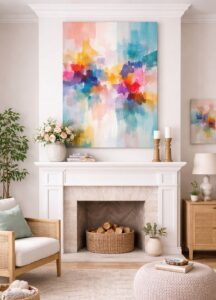
Abstract art refers to works that deliberately move away from realistic depiction. Instead of portraying recognisable subjects, it focuses on fundamental visual elements such as line, shape, colour and texture to create compositions that exist independently of the observable world.
Rather than asking “What is this painting of?”, abstract art asks “What does this make you feel?”
This movement began in the early 20th century as artists started moving away from realism. Pioneers like Wassily Kandinsky, Piet Mondrian, and Kazimir Malevich believed art could exist independently of the visible world. For them, colour and form alone were powerful enough to communicate meaning
Abstract art is open-ended. There is no single correct interpretation. Your response is part of the artwork’s story.
Types of Abstract Art
Abstract art broke away from realistic depiction in the late 19th and early 20th centuries. Over time, many distinct styles emerged, each with its own history, methods and look.
- Geometric Abstraction
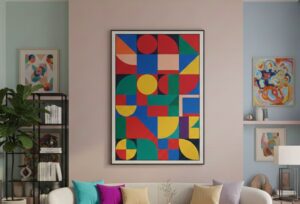
Geometric Abstraction uses only basic shapes such as squares, circles and triangles arranged to look perfectly balanced and harmonious. Nothing feels accidental; every form is placed with intention, edges are razor-sharp, and colours are flat and unblended.
- Abstract Expressionism
This style focuses on spontaneous creation and emotional intensity. Artists often use bold brushstrokes, drips, or gestural marks. Jackson Pollock’s drip paintings are a famous example. These works feel energetic, raw, and deeply personal.
- Lyrical Abstraction
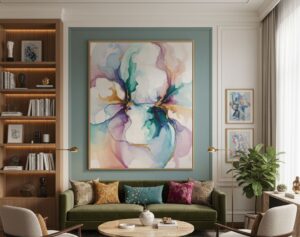
Lyrical Abstraction emerged in Europe in the 1940s and 1950s. Colours blend into one another, creating a sense of continuous movement and emotion.
The artist’s brushwork is loose and spontaneous, so each painting feels like a visual improvisation of feeling rather than a planned diagram.
- Colour Field Painting
Here, large areas of flat colour take centre stage. The goal is to create an emotional response through colour alone. Mark Rothko’s paintings, with their soft-edged rectangles, are meant to be experienced slowly and quietly.
- Minimalism
Minimalism reduces art to its barest essentials: simple geometric forms, a limited palette and generous empty space. Personal expression is stripped away in favour of clarity and objectivity.
- Cubism
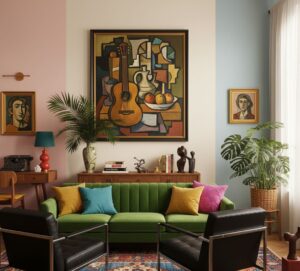
Cubism shattered the rules of perspective by breaking objects into overlapping geometric planes. Rather than showing a single viewpoint, it displays many at once, as a puzzle reassembled.
Read More: All About Cubism
- Surrealism
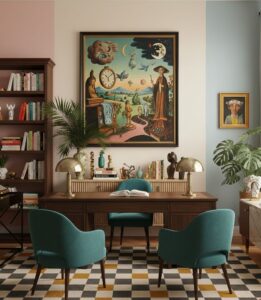
Surrealism aimed to unlock the power of the unconscious mind by merging dream worlds with reality, creating bizarre, illogical scenes through techniques like automatic drawing/writing, automatism, and chance to challenge rational thought and societal norms.
Learn More About Surrealism Here
- Mixed Media Abstraction
Artists use a combination of materials such as paint, collage, fabric, or found objects. These works add texture and depth, making them visually engaging and tactile.
Appreciating Abstract Art
Many people feel unsure about abstract art because it doesn’t offer clear answers. That’s also its greatest strength. If you want to appreciate art, you’ve got to approach it with an open mind and without any preconceived thoughts.
- Let Go of Literal Thinking
Abstract art is not meant to be decoded like a puzzle. Don’t search for hidden objects or stories unless you want to. Focus on what stands out to you first.
- Pay Attention to Emotion
Ask yourself simple questions. Does this artwork feel calm or chaotic? Warm or cold? Heavy or light? Your emotional reaction matters more than art theory.
- Observe the Elements
Notice how colours interact. Look at the movement of lines and the balance of shapes. These choices are intentional and guide your experience of the piece.
- Spend Time With the Work
Abstract art often reveals more over time. What you feel today may change tomorrow. That evolving relationship is part of its beauty.
- Trust Your Instincts
You don’t need permission to like or dislike a piece. If it speaks to you, it matters. Appreciating art is personal, not academic.
How to Decorate With Abstract Art
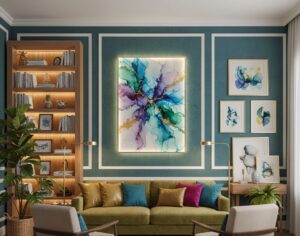
Abstract art is incredibly versatile in interior design. It can energise a space, create focus, or tie a room together. Here are some ways to incorporate abstract art in your décor:
- Choose Art That Fits the Mood
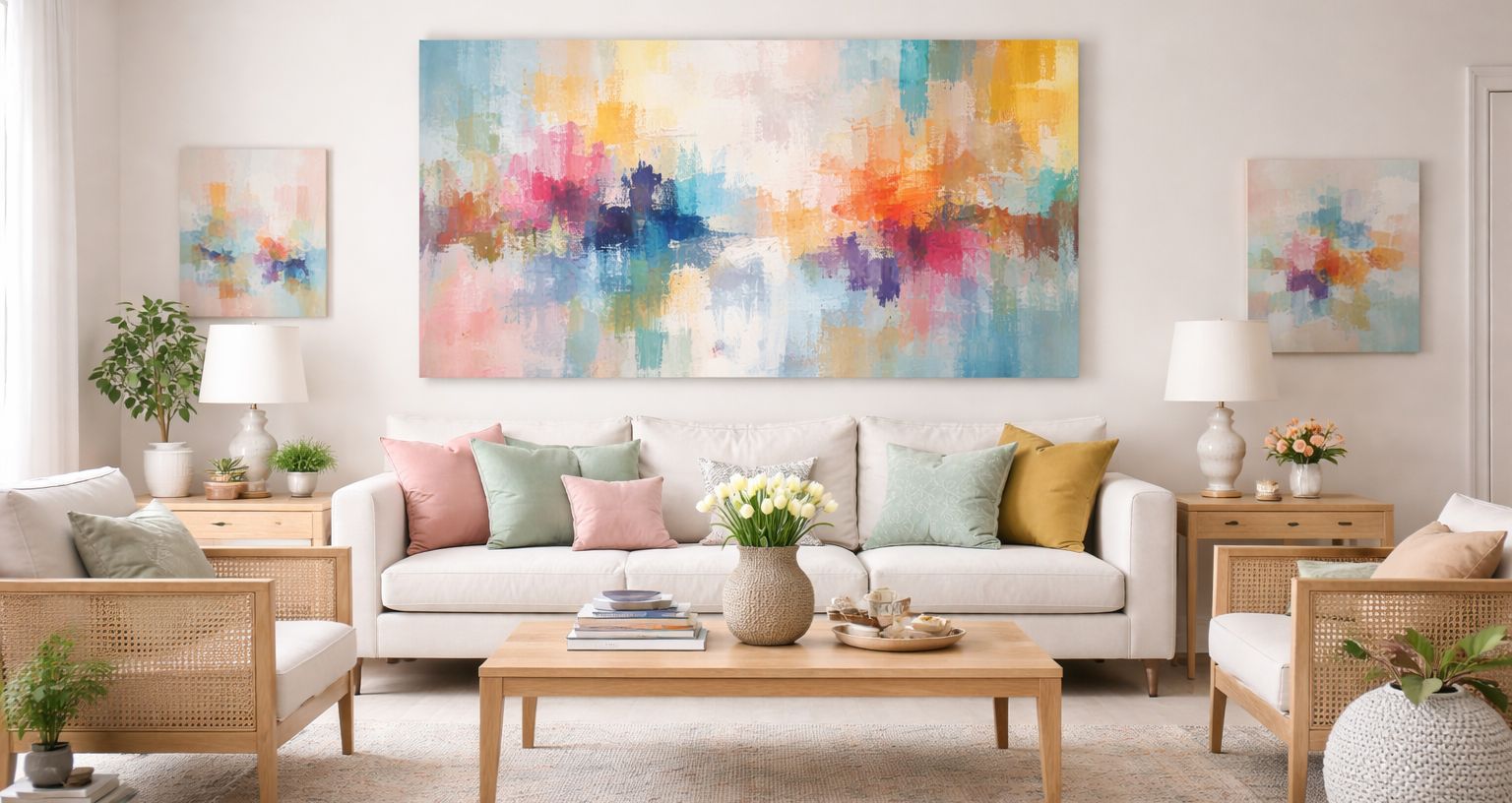
For living rooms, bold and colourful abstract art can become a conversation starter. In bedrooms or study areas, softer tones and minimalist pieces work well.
- Let the Art Lead
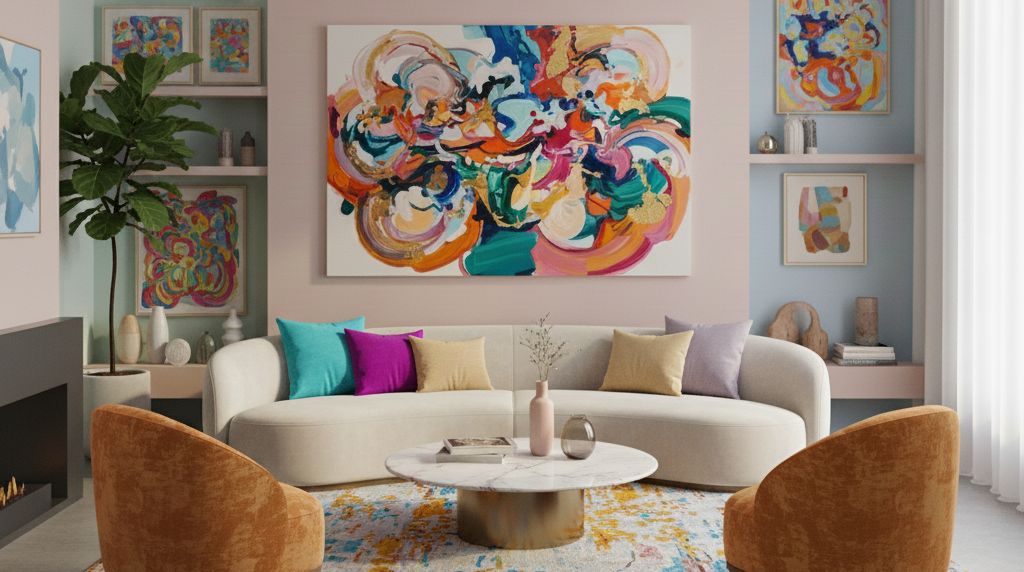
Pick artwork first, then build your colour palette around it. Pull colours from the painting into cushions, rugs, or accessories for a cohesive look.
- Consider Scale
Large abstract artworks make a strong statement, especially on empty walls. Smaller pieces work well in groups or gallery-style arrangements.
- Balance With Simplicity
If the artwork is complex, keep the surrounding furniture simple. This gives the piece room to breathe and prevents visual overload.
- Mix Old and New
Abstract art pairs beautifully with both modern and traditional interiors. A contemporary abstract piece can add freshness to classic decor.
- Don’t Overthink Placement
Abstract art doesn’t have strict rules. Hang it where it feels right. Sometimes unexpected placements create the strongest impact.
Modern & Contemporary Art Auction – January 2026
Art collectors and enthusiasts should mark their calendars. Giftex’s Modern & Contemporary Art Auction is scheduled for January 2026, featuring a curated selection of artworks by both leading artists and emerging ones. The upcoming auction will offer collectors a chance to explore diverse styles and investment-worthy pieces. Whether you’re a seasoned buyer or new to collecting, it’s an exciting opportunity to engage with the evolving world of modern and contemporary art.
Abstract Art as a Way of Seeing
Abstract art doesn’t demand understanding. It invites experience. It teaches us to slow down, feel deeply, and accept ambiguity. Whether displayed on a gallery wall or in your living room, abstract art has the power to transform spaces and perspectives.
By learning about its types, approaching it with openness, and decorating with intention, you can form a meaningful connection with abstract art. In the end, it’s not about what the artwork means to everyone. It’s about what it means to you.


About Post Author