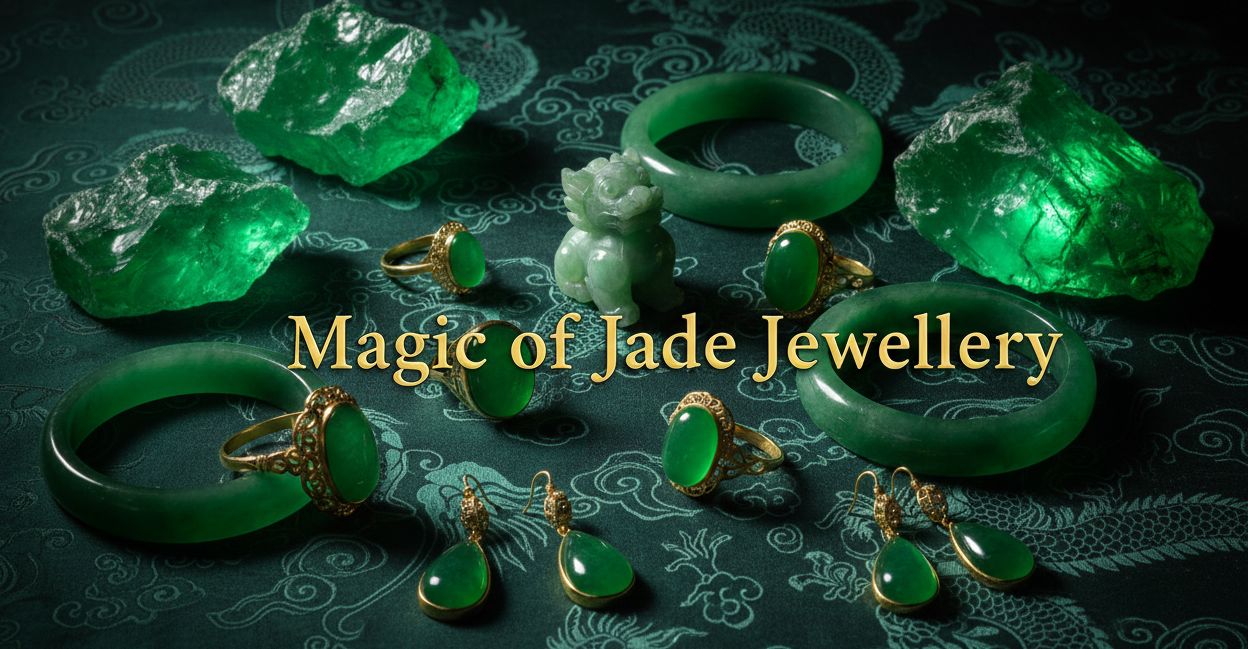
The Magic Of Antique Jade Jewellery
Jade is perhaps one of the most well-known and loved gemstones in the world. With a history that spans thousands of years, it often feels as though humanity has always had a special connection to this remarkable stone. For centuries, jade has fascinated people across the globe, not just for its captivating beauty, but for its deep cultural roots and symbolism. From royal ornaments in ancient China to sacred tools in Māori culture, antique jade jewellery has carried meaning far beyond its appearance.
Jade, a gemstone of unique beauty and diverse spiritual and healing properties, has been cherished by civilisations that saw it as far more than decoration. Its smooth texture, soothing colours, and durability made it ideal for both artistic expression and symbolic use. In this blog, we explore the history of jade, its meaning and properties, and take a closer look at antique jade jewellery and why these pieces continue to fascinate collectors and jewellery lovers today.
Also Read: The Allure of Antique Sapphire Jewellery
What is Jade?
Contrary to popular belief, jade isn’t a single stone but a term encompassing two distinct minerals: nephrite and jadeite. These tough, ornamental stones have been prized for their beauty and durability since time immemorial.
Nephrite is the older and more commonly used form of jade in ancient cultures. It is slightly softer but incredibly tough, making it ideal for carving tools, ornaments, and jewellery. Jadeite, on the other hand, is rarer and often more vibrant in colour. It became especially prized in China after deposits were discovered in Myanmar.
The Meaning and Symbolism of Jade Gemstone
Across cultures, jade has long been associated with virtues such as purity, wisdom, balance, and protection. Unlike gemstones valued purely for brilliance, jade was admired for its smoothness and inner glow, qualities that many cultures linked to moral character and spiritual depth.
In ancient China, jade symbolised five core virtues: kindness, honesty, wisdom, courage, and justice. It was believed to connect the physical and spiritual worlds and was often placed in tombs to protect the deceased in the afterlife.
In Mesoamerican civilisations like the Maya and Aztecs, jade was more valuable than gold. It symbolised life, fertility, and power and was closely linked to water and vegetation.
For the Māori people of New Zealand, jade, known as pounamu, holds ancestral significance. It is passed down through generations and represents strength, protection, and connection to one’s heritage.
Benefits and Properties of Jade
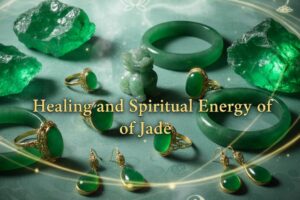
Jade has long been associated with healing and protective properties, particularly in Eastern traditions. While modern science may not confirm these beliefs, jade’s symbolic and emotional value continues to resonate.
Traditionally, jade is believed to promote calmness and emotional balance. Many consider it a stone of harmony, helping to reduce stress and encourage thoughtful decision-making. It is often associated with heart energy, compassion, and inner peace.
Physically, jade has been linked in folklore to kidney health, longevity, and detoxification. Even today, jade rollers and massage tools are popular for their cooling, soothing effect on the skin.
How Old Is Antique Jade Jewellery? A Journey Through Time
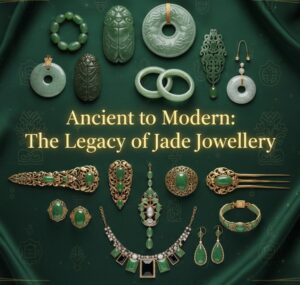
When we speak of antique jade, we are not referring to jewellery that is merely a few generations old. We are stepping back into the earliest chapters of human civilisation. Some of the oldest known jade artefacts date to the Neolithic period, roughly between 3500 and 2070 BCE. At a time when early societies were just beginning to settle, farm the land, and form complex communities, jade was already being shaped into tools, ornaments, and ceremonial objects.
In China, the history of jade goes back even further. Archaeological evidence shows that jade craftsmanship began more than 7,000 years ago, around 5000 BCE. To put this into perspective, jade was being carved long before the invention of the wheel, the development of writing, or the rise of organised states.
The Crème de la Crème: The Most Valuable Types of Antique Jade
Not all jade is equal, especially when it comes to antique pieces. Certain types have long been prized for their beauty, rarity, and historical significance.
- Nephrite jade is the traditional and most widely used form of jade in ancient artefacts. Found in early Chinese carvings and ceremonial objects, it is valued for its toughness, smooth texture, and soft, lustrous appearance.
- Jadeite jade is rarer and more vibrant. Imported into China from Burma (modern-day Myanmar), it became highly sought after for its rich colours and translucency, particularly during later dynasties.
- Imperial Jade sits at the very pinnacle of jade valuation. This exceptional variety of jadeite is known for its intense emerald-green colour and high transparency. Historically reserved for emperors and the elite, Imperial Jade remains one of the most valuable gemstones in the world, capable of commanding extraordinary prices at auction.
Popular Types of Antique Jade Jewellery
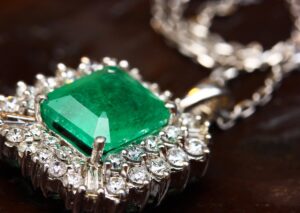
Antique jade jewellery comes in many forms, each with its own cultural and artistic significance.
- Jade Bangles
Jade bangles are among the most popular and enduring jade jewellery designs. In Chinese culture, a jade bangle symbolises protection and continuity. Antique bangles often show subtle wear that adds to their charm and authenticity.
- Jade Pendants
Carved jade pendants often depict animals, deities, or symbolic motifs. Dragons represent power and wisdom, while lotus flowers symbolise purity. Antique pendants are prized for their craftsmanship and meaning.
- Jade Bead Necklaces
Strands of jade beads were worn by nobility and elites across cultures. The size, colour, and translucency of the beads often indicated status. Antique bead necklaces are highly collectible today.
- Jade Rings and Earrings
Though less common than bangles and pendants, antique jade rings and earrings showcase fine carving and metalwork. Many were set in silver or gold during later historical periods.
How to Identify Antique Jade
- Material type: Telling nephrite apart from jadeite often requires professional gemmological testing, as the two can appear very similar to the untrained eye.
- Craftsmanship: Examine the quality of carving closely. Authentic antique jade typically shows hand-worked details, subtle irregularities, and traditional techniques such as drilling, piercing, and inlay rather than modern machine precision.
- Patina: True antique jade develops a soft, natural patina over time. This gentle surface sheen comes from decades or even centuries of handling and cannot be easily replicated.
- Provenance and Style: Always consider where the piece is believed to originate. Design motifs, carving styles, and overall form should align with recognised historical periods and cultural traditions.
Why Antique Jade Jewellery Still Fascinates
Antique jade jewellery continues to captivate collectors and enthusiasts for several reasons. First, each piece carries history. Unlike modern jewellery, antique jade often reflects the beliefs, rituals, and artistry of its time.
Second, jade ages beautifully. Its surface develops a soft patina over the years of wear, enhancing its depth and character. This natural ageing process adds emotional and monetary value to antique pieces.
Finally, antique jade jewellery offers a connection to something timeless. In a fast-paced world, these objects remind us of enduring values, craftsmanship, and cultural heritage.
Its beauty lies not just in colour or polish, but in the stories it carries. That is why jade, even after thousands of years, continues to inspire admiration and respect.


About Post Author