
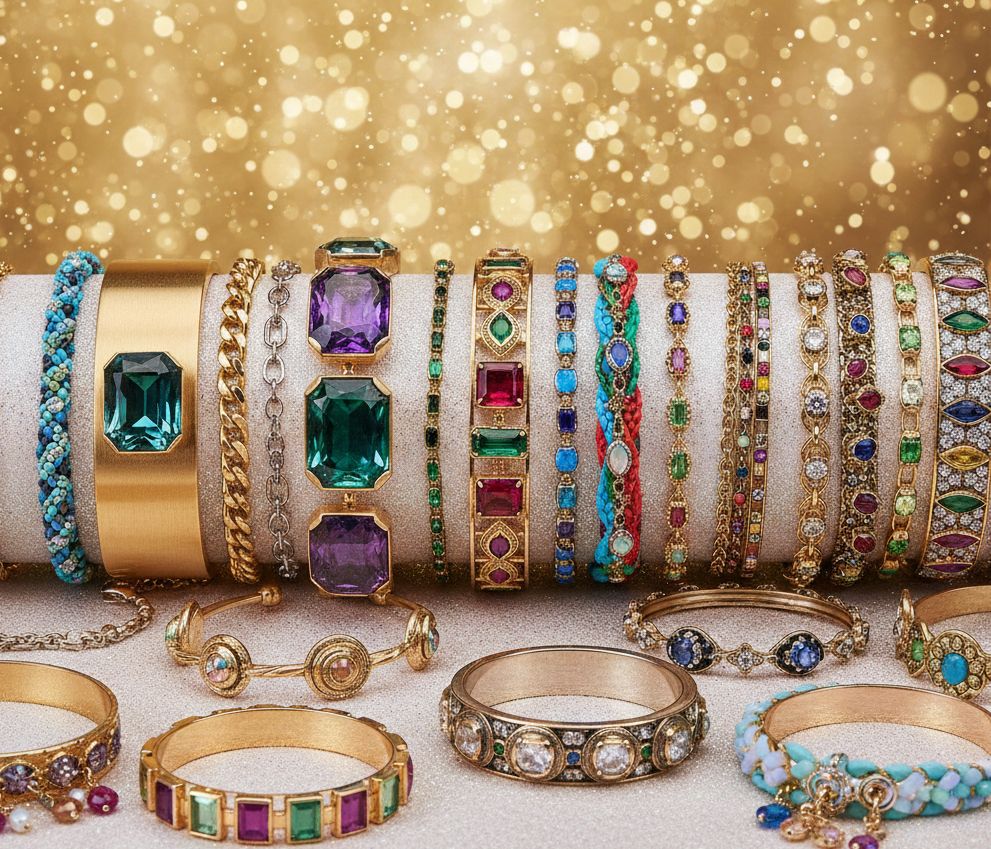
A Timeless Circle: The Evolution of Bracelets
What is that one piece of jewellery that is versatile and matches any outfit or occasion? That’s right, it’s the bracelet! No discussion regarding fashion or style would ever be complete without mentioning bracelets. Bracelets for women have always been a staple of any fashionable wardrobe and are certainly having a revival moment now. From the trendy layered look to pieces by the jewellery world’s biggest designers, bracelets of all shapes and styles are having their time in the spotlight. Yet many people might not realise the fascinating history and background of bracelets. Read our guide to delve into the bracelet history, discover the different types of bracelets and how to style bracelets as statement accessories.
Also Read: Antique Brooch Jewellery
What Is the Meaning of the Word Bracelet?
The word bracelet comes from the Greek word “brachile”: meaning “of the arm,” via the French
word “bracel.” At its core, a bracelet is a decorative band or chain worn around the wrist. While simple in definition, bracelets have carried deep meanings throughout history, including protection, power, status, faith, and personal identity.
What Is a Bracelet and Where Does It Originate From?
A bracelet is a decorative ornament worn around the wrist, crafted from materials such as metal, leather, fabric, beads, or precious elements including gold, platinum, and gemstones.
The earliest bracelets were not made solely for decoration. They emerged from practical needs, serving as forms of protection, spiritual symbols, or markers of social status.
Notably, bracelets have never been exclusive to women. Throughout history, bracelets for men have symbolised strength, rank, and cultural identity, and they continue to hold an important place in modern jewellery design.
Also Read: Floral Motifs In Jewellery
The History of Bracelets
The history of bracelets stretches back to before recorded time. Archaeological discoveries show that early humans used natural materials like bone, stone, and wood to create wrist adornments.
- Ancient Egypt and Mesopotamia
In ancient Egypt, bracelets were symbols of power, wealth, and spiritual protection. As early as 5,000 BCE, Egyptians crafted bracelets from gold and copper, often inlaid with gemstones such as turquoise, lapis lazuli, carnelian, and amethyst.
In Mesopotamia, bracelets were a popular form of personal expression. Artisans used metal, glass, and clay beads to create intricate designs. These bracelets reflected social status and demonstrated advanced craftsmanship for the time.
- Ancient Greece and Rome
In ancient Greece, bracelets symbolised strength and authority. Warriors wore metal cuffs or leather wraps on their wrists and arms, offering protection in battle.
The Romans adopted bracelets both as decorative items and as symbols of loyalty and achievement.
- The Renaissance
The Renaissance brought a renewed interest in jewellery, driven by humanism and artistic expression. Bracelets became more ornate, featuring engraved gold, enamel work, pearls, and gemstones. Jewellery was no longer just symbolic but celebrated beauty, craftsmanship, and individuality.
- 17th Century Jewellery
In the 17th century, fashion changes influenced bracelet design. As clothing fabrics shifted from dark tones to softer pastel shades, jewellery evolved to complement these lighter palettes. Gemstones and pearls became focal points, set in refined gold designs that enhanced elegance rather than overwhelming it.
- The Art Deco Period
Art Deco bracelets, from the 1920s to the 1950s, marked a bold departure from tradition. Influenced by modernity, machinery, and global cultures, designs featured sharp geometric patterns, contrasting colours, and innovative settings.
Luxury materials such as diamonds, sapphires, emeralds, onyx, and platinum were widely used.
- 1960s to Today
Contemporary bracelets from the 1960s to today pushed the boundaries and continually redefined the methods and uses of bracelets.
Main Types of Bracelet Designs
Luxury bracelet designs continue to evolve, but several classic styles remain dominant in fine jewellery collections.
- Charm Bracelets
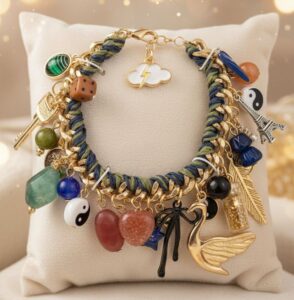
Charm bracelets tell a personal story. Each charm represents a memory, milestone, or belief. In luxury versions, charms are crafted in gold and set with gemstones, making them both sentimental and valuable.
- Bangles
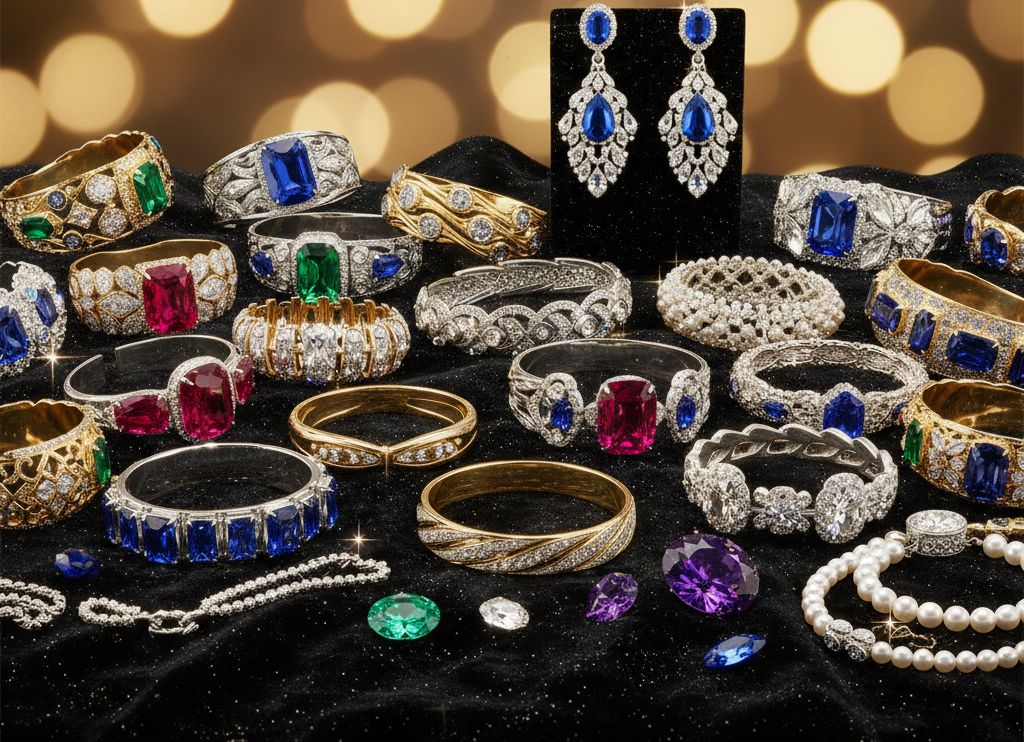
Bangles are rigid bracelets, either solid or hinged. Gem-set bangles in gold or platinum are staples of high-end jewellery, often worn stacked for a dramatic effect.
- Tennis Bracelets
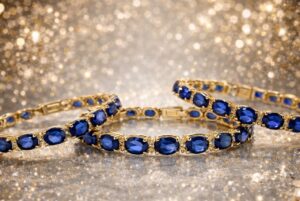
The tennis bracelet is a timeless luxury piece, typically featuring a continuous line of diamonds or gemstones. Elegant and versatile, it suits both everyday wear and formal occasions.
- Cuff Bracelets
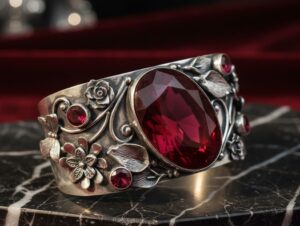
Cuff bracelets are bold and sculptural. In fine jewellery, cuffs may feature pavé diamonds, coloured gemstones, or engraved precious metals, making them powerful statement pieces.
- Link Bracelets
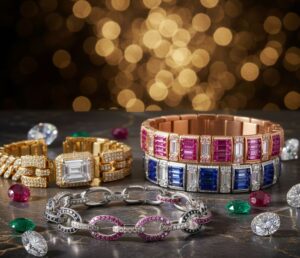
Link bracelets are composed of connected metal links and are popular in both men’s and women’s jewellery. Luxury versions often incorporate diamonds or gemstone-set links for added refinement.
- Mesh Bracelets
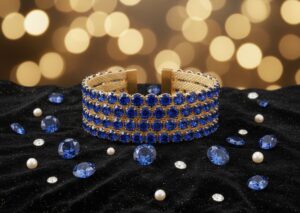
Mesh bracelets feature finely woven metal strands, offering flexibility and texture. When crafted in gold or platinum and accented with gemstones, they combine comfort with elegance.
Accessorising with Bracelets: Style Guide and Tips
Bracelets are among the most versatile jewellery pieces you can own. Whether subtle or bold, a bracelet has the ability to elevate an outfit, add personality, and reflect individual taste. From everyday elegance to formal sophistication, the right bracelet can complete a look without overpowering it.
Key Tips for Accessorising with Bracelets
- Start with one statement piece
A single well-chosen bracelet, such as a gemstone tennis bracelet or a sculptural gold cuff, can become the focal point of your outfit.
- Balance is essential
If your bracelet is bold or heavily gem-set, keep other jewellery minimal. Let one piece speak rather than competing for attention.
- Stack with intention
Stacking bangles or slim bracelets works best when they share a common element, such as metal tone, gemstone colour, or design style.
- Match the bracelet to the occasion
Delicate bracelets suit daytime or professional settings, while diamond or gemstone bracelets are ideal for evening and formal events.
- Consider wrist proportions
Slim wrists pair well with fine chains or tennis bracelets, while broader wrists can carry cuffs, wide bangles, or layered designs with ease.
- Mix metals carefully
Mixing gold, platinum, or silver can look modern and refined when done thoughtfully. Keep the overall look cohesive rather than random.
- Use bracelets to express personality
Charm bracelets tell personal stories, while minimalist designs reflect understated elegance. Choose styles that feel authentic to you.
- Men’s bracelet styling matters
For men, link bracelets, leather bands with metal accents, or gemstone-set cuffs add strength and sophistication without excess.
- Let gemstones guide your palette
Coordinate gemstone colours with clothing tones for a polished look. Neutral outfits allow coloured stones to stand out beautifully.
- Think long-term value
Well-crafted bracelets in precious metals and gemstones not only enhance style but also hold lasting collectible and investment appeal.
Giftex: A World of Collectibles Auction
At Giftex – A World of Collectibles Auction is set to return with a collection of stunning jewellery this February. Whether you are a collector, investor, or jewellery enthusiast, luxury jewellery at Giftex represents elegance, heritage, and enduring value.
Bracelets: A Fashion Must-Have
Bracelet jewellery has travelled a remarkable journey from ancient protective bands to refined luxury adornments. Worn by both men and women across civilisations, bracelets reflect personal identity, cultural history, and artistic innovation.
Today, bracelets remain essential accessories, blending tradition with modern style. As collectibles, they offer beauty, meaning, and investment potential. In auctions like Giftex, these timeless pieces continue to captivate new generations, proving that the bracelet is far more than a simple wrist ornament.


About Post Author