
The Collector’s Secret: Rotating Art with Intention
For art collectors, the joy of acquiring a new piece is only surpassed by the satisfaction of displaying it at home. A thoughtfully organized wall art collection does more than beautify a space. It is used to preserve investment, maintain visual interest, and ensure that each artwork is appreciated over time.
There are homes where art adorns walls. And then there are homes where art breathes quietly, becoming part of everyday life. Across India, a growing community of discerning collectors is redefining how art is lived with, not just owned. In this evolving approach, collecting is only one part of the journey. Displaying, rotating art, and preserving artwork are equally important.
In this guide, a practical and refined approach to rotating art collections at home will be explored, with a focus on Indian art and thoughtful curation.
Also Read: The Story Of Modern Indian Art
What Is Art Rotation?
Art rotation involves periodically swapping the artwork displayed in your home with pieces that are safely stored away. Instead of keeping the same works on the wall year-round, different pieces are brought into view at different times.
This practice is not only aesthetic but also essential for preservation. Continuous exposure to light, dust, and environmental changes can gradually damage artwork. Therefore, by rotating pieces, rest periods are provided, allowing the longevity of each work to be extended.
Why Rotating Art Collections Matters

When artwork is rotated regularly, several important benefits are achieved. These advantages are especially relevant for collectors of Indian art, where materials, textures, and techniques can be sensitive to environmental conditions.
- Preservation of Artwork
First and foremost, protection is enhanced. Light exposure, particularly sunlight, can cause fading in pigments. By rotating pieces, exposure is minimized, and the condition of the artwork is better maintained over time.
- Flexibility in Display
Additionally, flexibility is introduced into your interiors. Different artworks can be matched with changing moods, seasons, or even occasions. As a result, your home feels adaptable rather than static.
- A Fresh Perspective
Over time, even the most beautiful piece can become visually familiar. However, when it is reintroduced after a period in storage, it is seen with fresh eyes.
- A Natural Conversation Starter
Moreover, rotating art creates variety. Guests are more likely to notice and engage with pieces that have not been seen before. Stories behind the artwork can be shared, making your collection more interactive and meaningful.
When Should You Rotate Your Art?
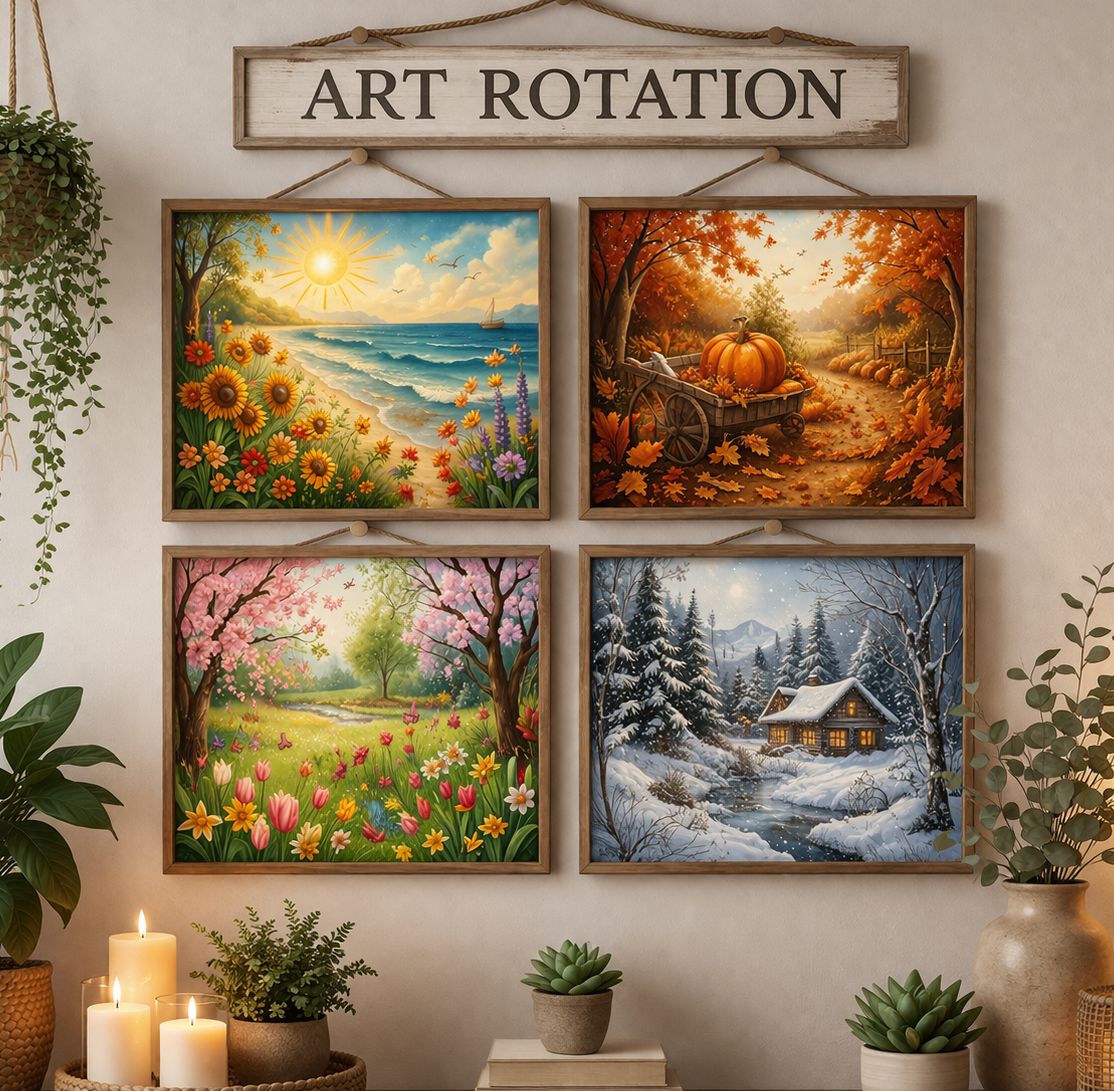
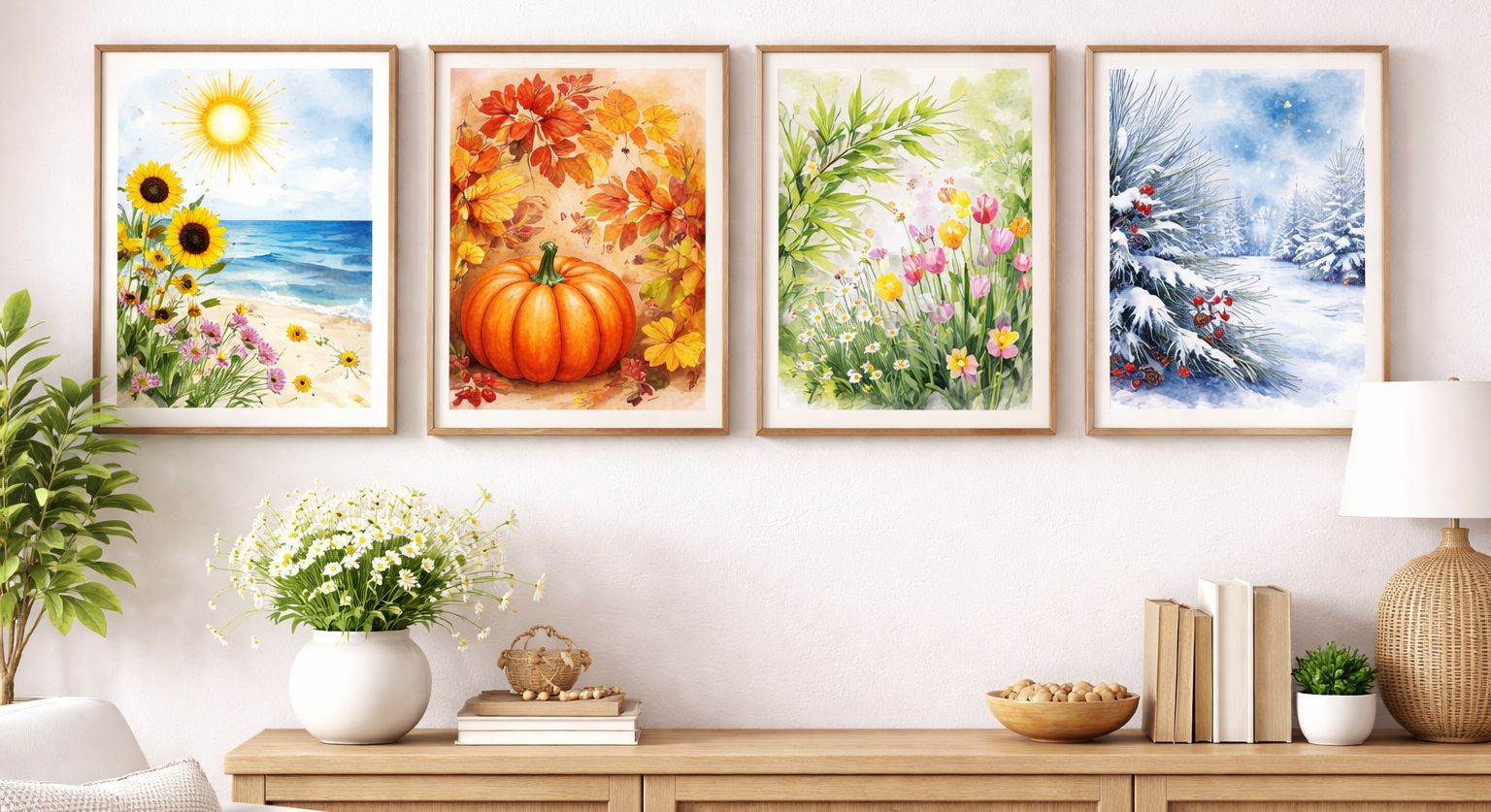
There is no fixed rule for when art should be rotated. The timing is entirely up to the collector. However, a seasonal approach is often considered the most effective and intuitive method.
At the same time, it is important to ensure that stored artwork is given proper breathing space. A well-organized storage system is essential for maintaining quality.
- Spring: Renewal and Fresh Beginnings
During spring, lighter and more uplifting artwork is often introduced. Heavier, darker winter pieces can be replaced with works that reflect nature and growth.
Fresh greens, floral motifs, and serene landscapes are commonly chosen. Indian miniature paintings featuring gardens or nature scenes can work beautifully in this season.
As a result, your interiors feel brighter and more open.
- Summer: Vibrancy and Light
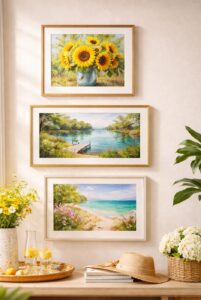
In summer, bold and energetic artwork is typically preferred. Bright colours, abstract compositions, and contemporary Indian art can bring life into the space.
Works featuring warm tones, dynamic forms, or coastal themes are often selected. Since natural light is stronger during this time, care should be taken to avoid direct sunlight exposure.
Therefore, UV-protective glass and strategic placement are recommended.
- Autumn: Warmth and Depth
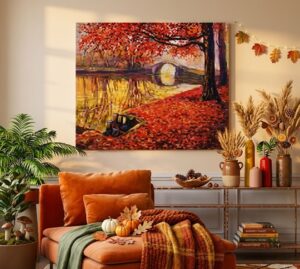
As the weather cools, artwork with earthy tones is introduced.
Themes such as harvest scenes, textured abstracts, or traditional Indian motifs can be highlighted. Layering techniques can also be used, where smaller artworks are placed alongside larger ones for depth.
Consequently, a cozy and inviting atmosphere is created.
- Winter: Sophistication and Calm

In winter, a quieter aesthetic is often preferred. Minimalist works, monochrome palettes, and serene compositions can bring a sense of calm.
Black-and-white photography, subtle abstracts, or soft-toned paintings are ideal choices. These pieces help create a restful environment, especially in bedrooms and personal spaces.
Thus, the home feels balanced and peaceful.
Wall Art Rotation Tips for a Fresh Interior
Rotating art is one of the simplest ways to refresh your home. However, it should be done thoughtfully to achieve the best results.
- Create an Art Inventory System
To begin with, an inventory system should be maintained. Each artwork can be photographed and labelled with details such as size, medium, and ideal display season.
This makes planning easier and ensures that no piece is overlooked.
- Plan Your Layout in Advance
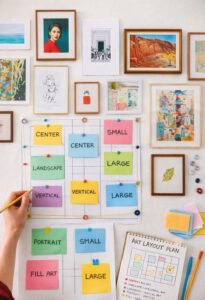
Before rotating, it is helpful to plan where each piece will be placed. Consider the wall size, lighting conditions, and colour palette of the room.
By doing so, a cohesive look can be achieved rather than a random arrangement.
- Handle Artwork with Care
Proper handling is essential. Gloves should be worn to prevent oils from the hands transferring onto the artwork.
Additionally, a soft cloth should be used for dusting. Harsh cleaning products must be avoided, as they can damage surfaces.
- Focus on Proper Storage and Preservation of Art
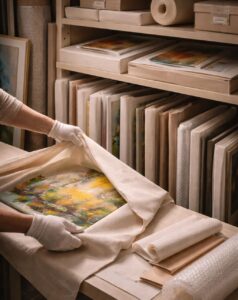
Storage plays a crucial role in art rotation. Artwork should be wrapped in acid-free paper or cotton cloth. Plastic should be avoided because it can trap moisture.
Larger pieces should be stored upright, while smaller works can be stacked carefully with protective layers in between.
A cool, dry, and stable environment is ideal for storage.
- Use Placement and Layering Techniques
Instead of hanging every piece, some artworks can be leaned against walls or layered on shelves. This creates a more relaxed and contemporary look.
Moreover, layering allows multiple pieces to be enjoyed at once without overcrowding walls.
- Be Aware of Environmental Risks
Several risks should be managed to protect your collection:
- UV Exposure: Pigments can fade, so UV-filtering glass should be used.
- Humidity Changes: Canvases may expand or contract, so stable conditions are necessary.
- Dust Accumulation: Surfaces should be cleaned regularly.
- Physical Damage: Careful handling during rotation is essential.
- Pests: Regular inspection should be carried out, especially for paper-based works.
By addressing these factors, the lifespan of your collection is significantly extended.
The Evolving Story of Indian Art at Home
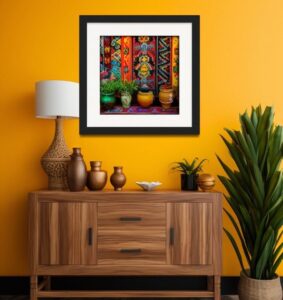
Collecting Indian art is a deeply personal journey. From traditional works to contemporary expressions, each piece carries cultural and emotional value.
However, the true essence of collecting is realized when art is lived with. By displaying your art and rotating your collection, a dialogue is created between past and present, tradition and modernity.
Gallery-style hanging systems, adjustable hooks, and modular frames can be used to simplify the process. This allows artwork to be swapped without causing damage to walls or frames.
At the same time, spacing should be considered carefully. Each piece should be given enough room to stand out. Overcrowding should be avoided.
Your home becomes more than a display space. It becomes a living gallery.
Final Thoughts
Rotating art collections at home is not just a design choice. It is a thoughtful practice that balances beauty, preservation, and engagement.
By adopting a structured approach to rotation, your collection is protected, your interiors stay fresh, and your connection with each piece is strengthened.
Over time, your home will not only showcase art but also reflect your evolving taste and story as a collector.
Giftex: Modern & Contemporary Art Auction This April
Step into the world of Modern Indian Art Auction with Giftex this April. Discover a thoughtfully curated selection of masterpieces, each piece offering its own story, character, and artistic legacy.


About Post Author