The Art of Choosing Art Medium: A Guide to Perfect Pairings
Choosing the perfect art for your home interior is more than just decorating your walls. It is about expressing your personality, elevating your space, and creating an environment that feels uniquely yours. A carefully selected artwork can quietly transform a room, adding depth, emotion, and visual harmony without overwhelming the space.
Art plays a significant role in interior design, as it significantly influences how a room is perceived. The mood of a space is often shaped not only by furniture and lighting, but also by the artwork that has been chosen. A bold painting can energize a neutral room, while a soft watercolour can calm an otherwise busy space. Because of this, choosing the right art medium becomes just as important as choosing the subject itself.
In this blog post, we’ll explore different art mediums and how each one complements specific interior styles, helping you choose pieces that truly enhance your space.
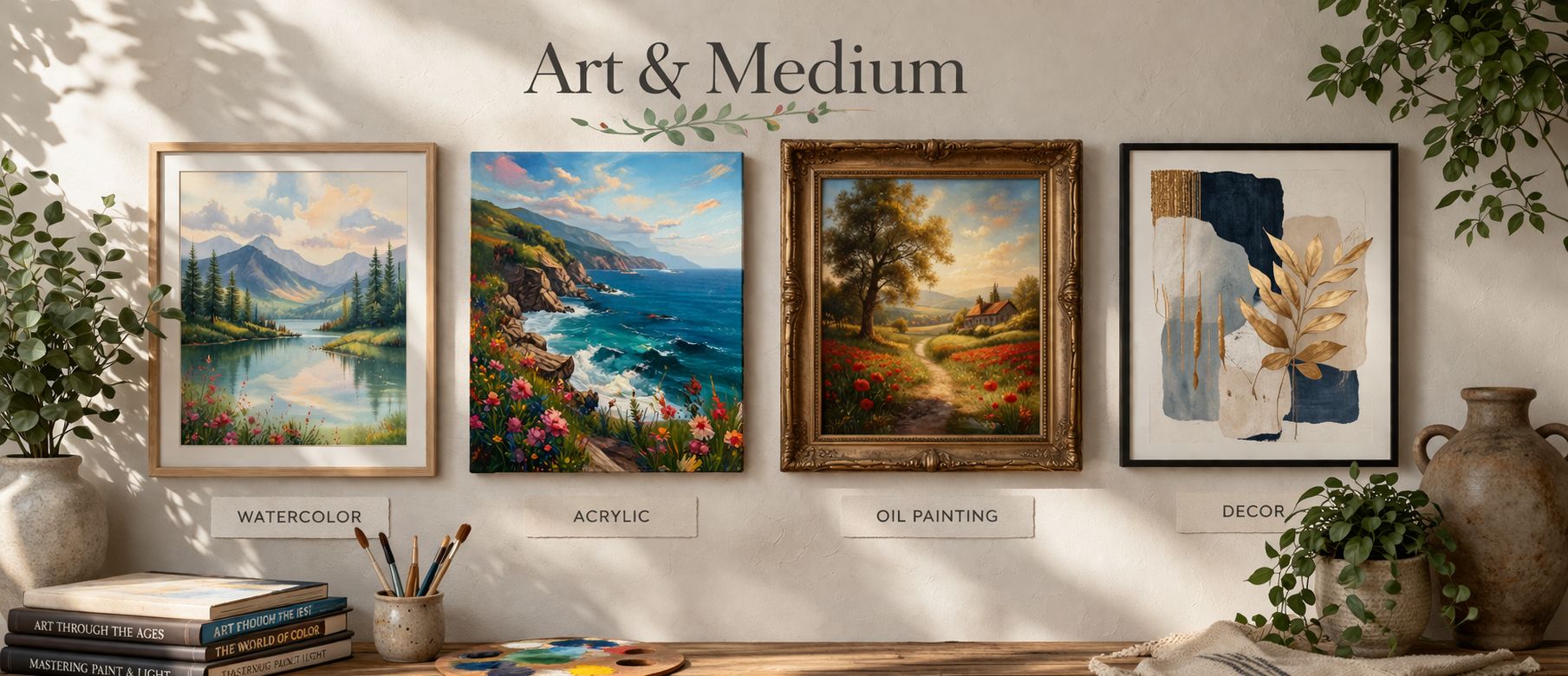
Discover Easy Living Room Wall Art Ideas
Understand the Role of Art in Home Interiors
Art is not just decorative. It is often used as a tool to define the identity of a room.
Why Art Matters in Interior Design
- A clear style is established, whether modern, traditional, minimalist, or eclectic
- Personality and emotional value are added to the home
- Existing colour schemes are enhanced or balanced
- A natural conversation point is created for guests
What is an Art Medium?
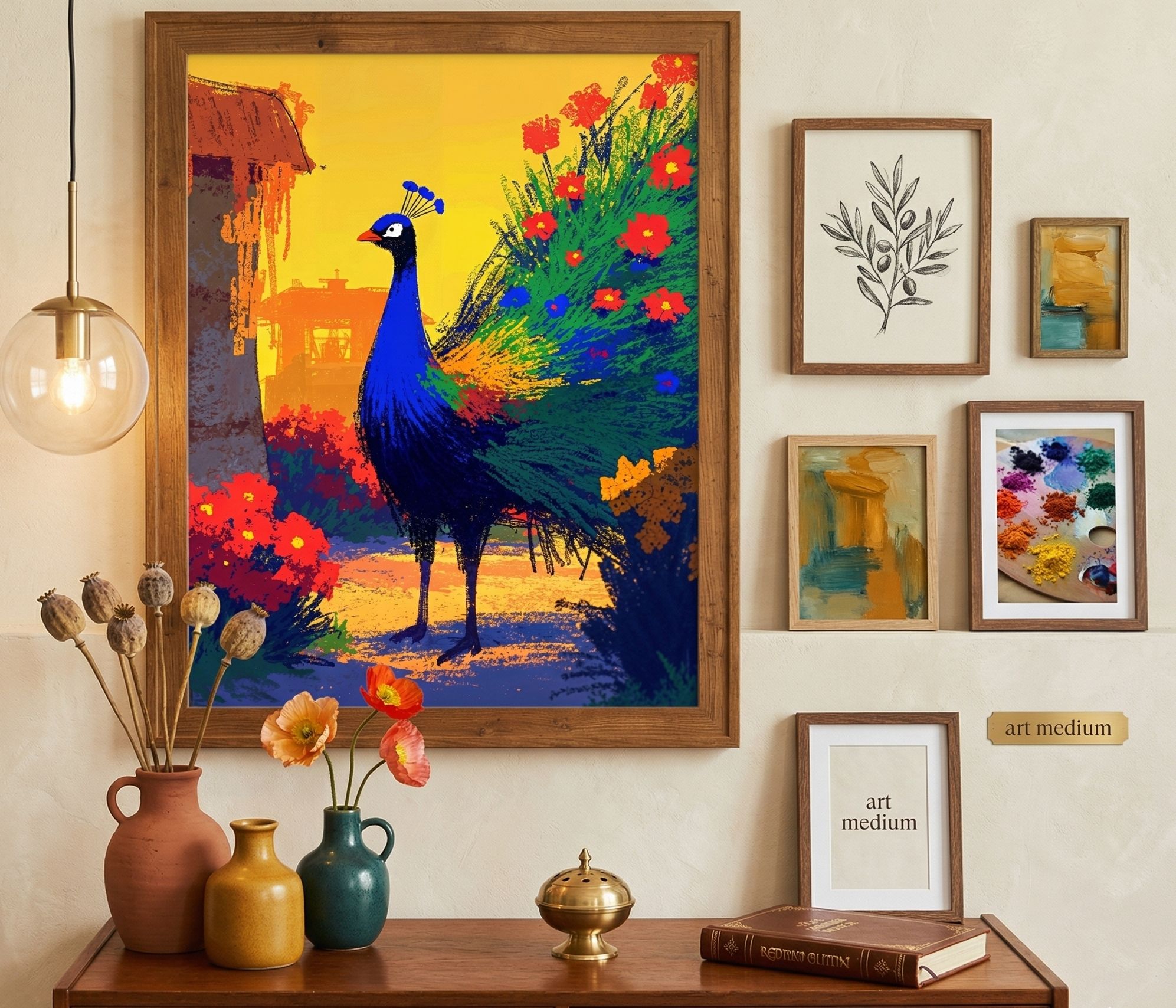
A “medium” refers to both the material used to create art and the technique applied. Paint, charcoal, fabric, metal, and wood are all considered media, as are methods like painting, sculpting, or printmaking. When referred to as a group, these mediums are collectively known as art media.
Common Art Mediums
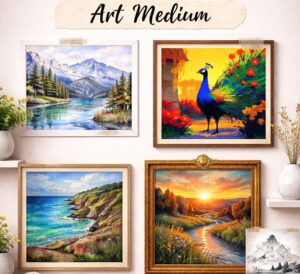
- Oil Painting
- Acrylic Painting
- Watercolour
- Charcoal and Pencil Sketches
- Mixed Media
Each of these media carries its own visual language. The texture, finish, and depth produced by each one can dramatically change how a room feels.
Also Read: Explore Various Art Media
Art Medium Characteristics
Understanding how each medium behaves can make the selection process much easier.
-
Oil Painting
A rich and slow-drying medium is used. Deep colour blending is achieved, and a luminous, layered finish is created. A sense of luxury and tradition is often associated with oil paintings.
-
Acrylic Painting
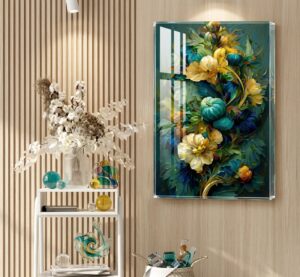
A fast-drying and highly versatile medium is used. Bright colours and sharp finishes are produced, making it suitable for modern and experimental styles.
-
Watercolour
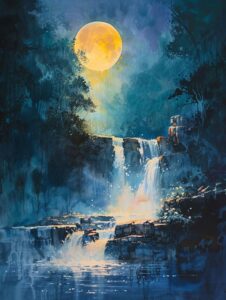
A transparent and delicate medium is used. Soft gradients and light textures are created, often resulting in a calm and airy effect.
-
Charcoal and Pencil
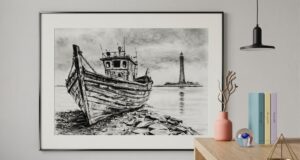
A raw and expressive quality is achieved. Strong contrasts and minimal tones are used to create depth without colour.
-
Mixed Media
Multiple materials are combined. Texture, dimension, and unexpected visual interest are often added through layering.
Choosing Art Medium Based on Interior Design Themes
Selecting the right medium becomes easier when it is aligned with the overall theme of the space.
-
Modern / Minimalist Theme
Best Medium: Acrylic, Mixed Media, Large-scale Photography
Clean lines and uncluttered spaces are emphasized in modern interiors. Because of this, art is often used as a focal point rather than a background element.
Acrylic paintings are commonly chosen because smooth finishes and bold contrasts can be created.
Key Tip:
A single large piece is often more effective than multiple smaller ones in minimalist spaces.
-
Traditional / Classic Theme
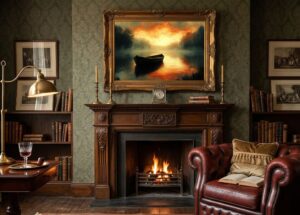
Best Medium: Oil Painting, Watercolour
Warmth, elegance, and history are reflected in traditional interiors.
Portraits, landscapes, and classical compositions are often selected. Soft blending and detailed brushwork help maintain a timeless look.
Key Tip:
Ornate frames are often used to enhance the classic appeal.
-
Industrial / Urban Chic Theme
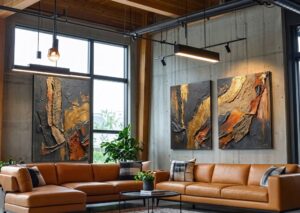
Best Medium: Mixed Media, Textured Acrylic, Metal Art
Raw materials such as brick, concrete, and steel are commonly used in industrial spaces. Art that mirrors this rugged quality is often preferred.
Textured acrylics or mixed media pieces are used to introduce dimension.
Key Tip:
Imperfection is not avoided in industrial design. Instead, it is often highlighted.
-
Bohemian / Scandinavian / Organic Theme
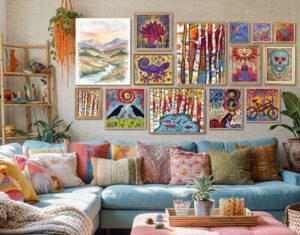
Best Medium: Watercolour, Charcoal, Textile-Based Mixed Media
Comfort, nature, and simplicity are emphasized in these styles. Light and breathable visuals are usually preferred.
Watercolours are often chosen for their softness, while textile art or woven pieces are used to add warmth.
Key Tip:
Natural tones and organic shapes should be prioritized over sharp contrasts.
-
Contemporary Luxury Theme
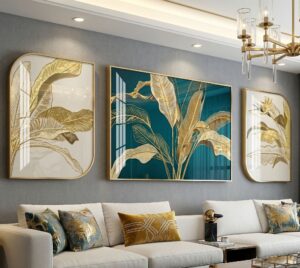
Best Medium: Oil, High-Gloss Acrylic, Metallic Mixed Media
In luxury interiors, sophistication is often highlighted through detail and finish. Artwork is usually expected to feel refined and polished.
Oil paintings with deep tones or metallic mixed media pieces are often selected.
Key Tip:
Statement pieces with strong visual impact are often used as centerpieces.
-
Eclectic / Maximalist Theme
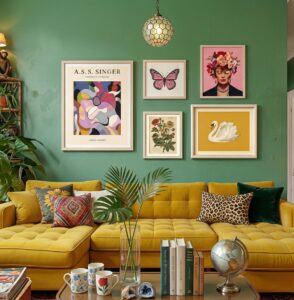
Best Medium: Mixed Media, Acrylic, Collage Art
Creativity and individuality are celebrated in eclectic interiors. Multiple styles and influences are blended.
Bold acrylics, layered mixed media, and experimental pieces are often used.
Key Tip:
Balance should still be maintained, even when mixing styles.
Key Tips for Choosing the Right Art
- Pay Attention to Colour and Contrast
Colours should either complement or intentionally contrast with the room. If walls are neutral, bold artwork can be used to create focus. If the room is already colourful, softer tones may work better.
- Consider the Size and Scale
Size plays a crucial role in how an artwork is perceived. A piece that is too small may feel lost, while one that is too large may overpower the room.
- Large walls benefit from oversized artwork
Smaller spaces are better suited for compact or grouped pieces
- Choose Art That Reflects Your Personality
Art should feel personal. Subjects that hold meaning should be chosen, whether they relate to nature, culture, or memories.
Choosing Art Medium Based on Room Type
Different rooms serve different purposes, and artwork should reflect that function.
- Living Room
Best Medium: Acrylic, Oil, Mixed Media
Art Types: Abstracts, large statement pieces, conversation starters
The living room is often the most visible space. Art here is usually bold and expressive, designed to leave an impression.
- Bedroom
Best Medium: Watercolour, Soft Acrylic
Art Types: Calm landscapes, minimal abstracts, soothing themes
A sense of relaxation is prioritized in bedrooms. Soft tones and gentle compositions are usually selected.
- Kitchen
Best Medium: Acrylic, Prints
Art Types: Food illustrations, typography, playful designs
Durability is important in kitchens. Acrylic or printed art is often chosen because it is easier to maintain.
- Entryway
Best Medium: Mixed Media, Photography
Art Types: Welcoming visuals, bold yet simple pieces
The entryway sets the first impression. Art here is often chosen to reflect the overall theme of the home.
Final Thoughts
Choosing the right art medium is not just about aesthetics. It is about how a space is experienced and remembered. The texture, depth, and finish of an artwork can quietly shape the atmosphere of a room.
By understanding the relationship between art media and interior themes, better decisions can be made. Whether a rich oil painting is selected for a classic space or a bold acrylic piece is chosen for a modern setting, the goal remains the same. A space should feel complete, personal, and thoughtfully designed.
In the end, the best choices are not always the most expensive or the most popular. They are the ones that feel right when seen every day.
Giftex: Modern & Contemporary Art Auction This April
Giftex is back this April with its most celebrated Modern Indian Art Auction. From rich oil paintings to striking acrylic masterpieces and more, the collection promises something exceptional for every art lover. Don’t miss this highly anticipated event that is set to be nothing less than a true showstopper.


About Post Author