
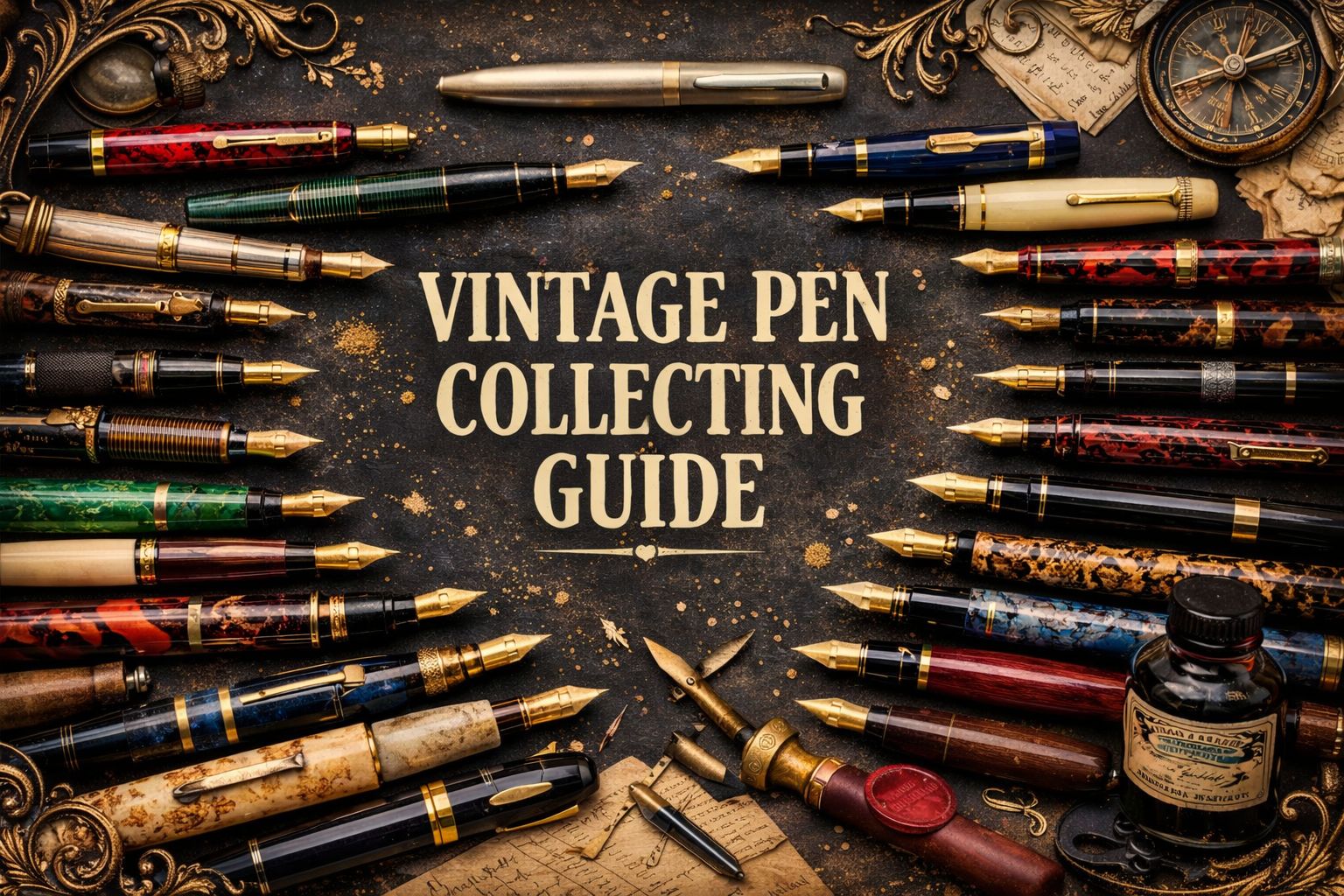
A Practical Introduction to Vintage Fountain Pen Collecting
Hello Fountain Pen Lovers! Here’s our curated guide on how to collect vintage pens.
Vintage fountain pens are not just writing tools; they are pieces of art.
There was a time in history when a fountain pen was part of your daily life. From declarations that shaped a nation to a love note from a gentleman, fountain pens were the primary mode to convey the written word in the pre-digital world.
Vintage fountain pen carries within itself this rich history. It has stood as witness to world-changing events.
Collecting vintage fountain pens offers a tangible connection to history through unique, often handcrafted writing instruments from brands like Parker, Montblanc, and Waterman.
Interested in vintage fountain pens, but don’t know where to begin? It can seem overwhelming: so many different brands and models and variations, and what about restoration and repair?
With our vintage fountain pen collecting guide, you will find that buying a vintage fountain pen is not nearly as complex as it sounds.
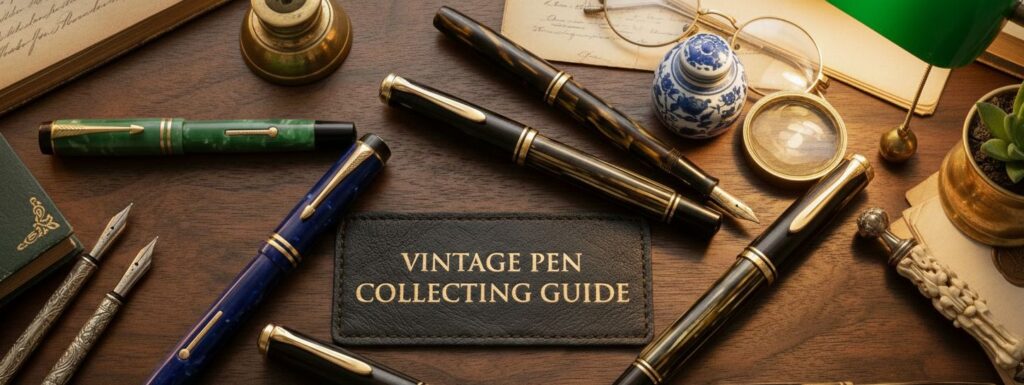
Also Read: The World of Luxury Pens: Materials, Design & Heritage
Understanding Vintage Fountain Pen Collecting
Collecting fountain pens is more than acquiring objects. It is about appreciating design, engineering, and history. Each vintage pen reflects the materials, technology, and aesthetic preferences of its time.
For some collectors, the appeal lies in writing with these pens. For others, it is about preservation, rarity, or historical significance. Neither approach is right nor wrong. What matters is understanding what makes a vintage fountain pen collectible and valuable.
Key Factors That Affect Value
- Brand and model reputation
- Condition and originality
- Nib material and performance
- Rarity and production period
- Filling mechanism and functionality
Pens from well-known manufacturers, especially models produced in limited numbers or during specific historical periods, tend to attract more interest. Condition is equally important. A well-preserved pen will always be more desirable than a heavily damaged one, even if repairs are possible.
How to Collect Vintage Fountain Pens: A Step-by-Step Guide
https://www.youtube.com/watch?v=tuZfPm50RKY
Video Credit: Samuel Naldi
Step 1: Plan Your Collection With Intention
The first step is deciding what kind of collector you want to be. Narrowing your focus makes the journey more enjoyable and manageable
Ask yourself:
- Are you drawn to a specific brand?
- Do you prefer pens from a certain era?
- Are you collecting to write, display, or invest
- Do you care more about design, nib flexibility, or rarity?
Having a clear direction helps prevent impulse purchases and builds a cohesive collection over time.
Step 2: Set a Realistic Budget
Pen collecting can be as affordable or as extravagant as you choose. Some excellent vintage fountain pens remain accessible, while rare models can command significant prices.
Setting a budget protects you from overspending and helps you make thoughtful decisions. Remember, condition, originality, and documentation often matter more than chasing the most expensive option available.
A smaller collection of well-chosen pens is usually more satisfying than many unfocused purchases.
Step 3: Research Before You Buy
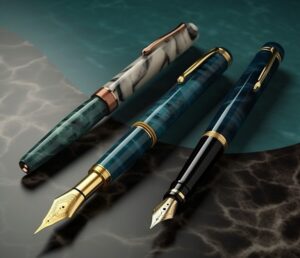
Knowledge is your greatest asset as a collector.
Before acquiring a pen, familiarise yourself with:
- The brand’s history
- The specific model and production years
- Common design variations
- Known issues or weaknesses
Look for markings, imprints, and design details that help identify authenticity. These details are crucial for dating and identifying pens accurately.
Understanding Prominent Vintage Pen Brands
Certain brands have played a defining role in fountain pen history. Collectors often start with these names because of their reliability, innovation, and strong collector interest.
- Montblanc
Known for refined design and premium materials, Montblanc has long been associated with luxury writing instruments. Early models are especially prized for their craftsmanship and nib quality.
- Parker
Founded in 1888, Parker produced some of the most iconic fountain pens ever made. Their pens are admired for balance, smooth writing performance, and timeless aesthetics.
- Waterman
Established in 1883, Waterman was instrumental in advancing fountain pen technology. Their pens are celebrated for consistent ink flow and elegant design.
- Sheaffer
Sheaffer introduced innovative filling systems and nib designs. Many of their vintage models remain excellent writers today and are popular among collectors.
Step 4: Where to Buy Vintage Fountain Pens
Knowing where to buy is just as important as knowing what to buy.
Reputable sources include:
- Established pen dealers
- Antique fairs
- Online auction houses
Curated auctions are especially valuable for collectors, as pens are often vetted for authenticity and condition. Platforms like Giftex, through its A World of Collectibles auction, bring together carefully selected vintage and luxury pens, making them an excellent place to discover quality pieces.
Step 5: Examine the Pen Carefully Before Purchase
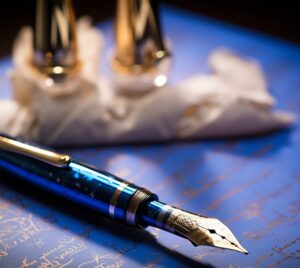
Once you have identified a pen you wish to acquire, careful examination is essential.
Important Considerations Before Buying
- The Nib
Check that the nib is not cracked, bent, or excessively worn. Most high-quality vintage fountain pens feature gold nibs. Look for markings such as “14k” near the base of the nib, which indicate gold content.
- The Filling Mechanism
A beautiful nib means little if the filling system does not function. Lever fillers, piston fillers, and vacumatic systems should be intact or restorable.
- Cap, Barrel, and Furniture
Inspect the body for cracks, deep scratches, dents, or missing trim. Hard rubber and celluloid can discolour over time, which is normal, but severe damage affects value.
Remember, a little wear is expected. After all, these pens have survived decades.
Step 6: Dating and Identifying Vintage Pens
Dating a vintage fountain pen adds depth to its story.
Manufacturers frequently updated colours, patterns, clip designs, and mechanisms to encourage new purchases. By comparing these features with reference materials, you can often pinpoint a pen’s production era.
Research catalogues, collector forums, and brand histories. The more you learn, the easier identification becomes.
Step 7: Join Pen Collector Associations
Pen collecting does not have to be a solitary pursuit.
Joining a pen collector association offers access to:
- Educational resources
- Collector publications
- Pen shows and events
- A community of experienced enthusiasts
These networks are invaluable for learning, trading, and avoiding costly mistakes.
Step 8: Proper Storage and Maintenance
Vintage fountain pens require care.
Store pens in a cool, dry place away from direct sunlight. Avoid leaving ink in unused pens for long periods. Regular cleaning helps preserve both function and materials.
Proper maintenance ensures your pens remain usable and valuable for years to come.
Collecting More Than Pens
Vintage fountain pen collecting is about more than ownership. It is about preserving history, appreciating craftsmanship, and enjoying a slower, more intentional way of writing.
Whether you collect to write, to study, or to pass down, each pen becomes part of your story. With careful planning, research, and respect for these instruments, collecting vintage fountain pens can be one of the most rewarding pursuits for any writing enthusiast.


About Post Author