
Spotting the Real Thing: How to Identify Authentic Antiques
For antique collectors, there is nothing like the thrill of searching and discovering authentic antiques. From estate sales to auction houses, they are relentless in their pursuit of finding antique treasures. The thrill is in discovering a piece of history, a piece that tells the story of the bygone eras. From breathtaking antique furniture to antique ceramics, heirloom silver to antique textiles, there is no shortage of antique decor that can elevate any living space.
However, the most important factor when looking for antiques is being able to identify authentic antiques. Identifying antiques begins with understanding some unique factors that make an antique product one of its kind.
Whether you are a novice at the beginning of your collecting journey or an experienced collector, you must understand how to spot genuine antiques.
Fake antiques are becoming increasingly common as people try to pass off newly made items as valuable relics from the past. This beginner’s guide to spotting fake antiques will provide helpful tips and advice so you can make informed decisions and start your journey in collecting antique treasures.
Also Read: Smart Antique Investment Tips for 2026
Your Journey To Identifying Antiques Begins Here
To really figure out if you have a genuine antique on your hands, it is necessary to examine it thoroughly. Holding the antique in your hand, feeling its texture, looking at its craftsmanship, exploring its wear & tear, these are the best ways to spot genuine antiques.
Here are some easy steps to identify genuine antique treasures that can help you make an informed decision.
https://www.youtube.com/watch?v=sdoagKexq94
Video Credit: Antiques Central
8 Steps to Identify Genuine Antiques
A beginner’s guide to discovering real antiques:
- Knowledge is Power
The journey to uncovering an item’s story begins with your knowledge of the antique. Taking some time to learn about antique furniture and decorative items can help you develop an eye for authenticity. Understand the different eras, techniques, materials, and craftsmanship that distinguish genuine antiques from fake ones.
- Construction and Craftsmanship
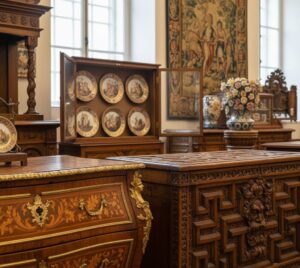
Most genuine antiques were crafted by hand, utilising traditional tools and techniques that are now difficult to replicate.
- Antique Furniture: In antique furniture, pay close attention to joinery. Hand-cut dovetail joints are a strong indicator of age. Uniform, perfectly symmetrical joints usually suggest modern manufacturing. Always check less visible areas such as the underside of tables, inside drawers, or the back of cabinets, as these spots often reveal the most honest details.
- Decorative Arts: For decorative arts such as ceramics, statues, and figurines, examine the overall form and finish. Handcrafted pieces often show subtle variations in shape, thickness, or decoration.
- Antique Silver & jewellery: With silver and antique jewellery, construction should align with the period the piece claims to be from. Older jewellery often has hand-soldered joins, irregular settings, and period-appropriate clasps. Modern fastenings or overly precise construction on an allegedly old piece are warning signs.
- The Feel and Weight of an Object
One of the most reliable yet often overlooked clues is an object’s weight. Many modern reproductions, particularly furniture and metalwork, are made from cheaper, lighter materials.
Authentic antiques often feel substantial for their size. Older woods are dense, and genuine silver has a noticeable heft. When you lift an antique, it should feel balanced and well-made, not hollow or flimsy. While weight alone doesn’t prove authenticity, an unusually light object should prompt closer inspection.
- The Story of Materials
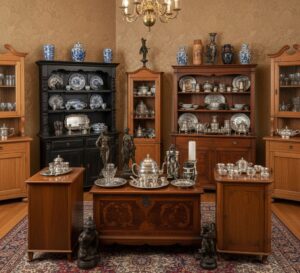
Materials tell their own story. Different eras favoured different materials, and knowing what was commonly used can help confirm whether a piece is authentic.
- Antique furniture was typically made from solid hardwoods such as oak, walnut, mahogany, or pine. Veneers were used historically, but they were hand-cut and applied over solid wood, not plywood or composite boards.
- In decorative arts, examine ornamentation closely. Hand-painted designs may show slight variations in colour or brushwork. Gilding often wears naturally on raised areas over time.
- Textiles also offer valuable clues. Older fabrics may show irregular thread thickness, handwoven qualities, or fading consistent with natural dyes and age.
- For silver and jewellery, materials should reflect what was available and fashionable at the time.
- Authenticity and Age
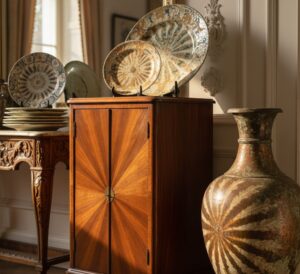
True age reveals itself in ways that are extremely difficult to fake convincingly. You are not looking for artificial distressing, but for honest evidence of time and use.
- Patina: Patina is one of the clearest indicators of age. On metal, it appears as a soft, uneven surface tone. On wood, it develops as a gentle sheen created by decades of handling. Genuine patina should never look painted on or overly uniform.
- Wear & Tear: Wear and tear should appear in logical places. The handle of a frequently used teacup, the arms of a chair, or the corners of a well-travelled trunk should show the most wear. This wear should be uneven and natural, not perfectly symmetrical.
- Imperfections: Imperfections are not flaws. They are part of an antique’s story. Hand-blown glass may contain tiny trapped air bubbles. Hand-painted pottery often shows slight brushstroke variations. These imperfections reflect authentic craftsmanship and survival through time.
Distressed Fake: Be cautious of deliberately distressed fakes. Some newer items are artificially aged through sanding, staining, or chemical treatments.
- Provenance and Documentation
One of the strongest indicators of authenticity is provenance, the documented ownership history of an item. Old receipts, family records, photographs, auction catalogues, or letters can help establish credibility.
- Makers’ Marks and Signatures
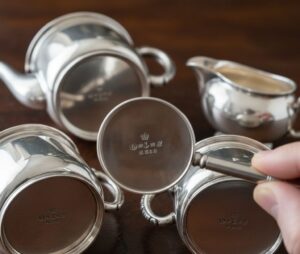
Many antiques carry marks left by their makers. Silversmiths, potteries, and manufacturers often stamped, engraved, or painted identifying marks on their work.
Inspect the underside of ceramics, the inside of jewellery clasps, the backs of frames, and the bases of silver items. Silver hallmarks, in particular, can provide information about origin, purity, and approximate date.
Be aware that marks can be forged or added later. Compare them with verified examples and ensure the condition of the mark matches the overall wear of the piece.
- Ask Questions and Learn From Experts
A trustworthy seller should be willing to answer questions about an item’s age, origin, condition, and any restoration work. Vague or evasive answers should be treated with caution.
When in doubt, seek advice from experienced dealers, auction specialists, or professional appraisers. Learning from experts and handling genuine antiques regularly is one of the best ways to develop a confident eye.
Discover Antiques With Giftex Auction Platform
Looking to start your antique collecting journey, or add to an already impressive collection? Giftex Auction Platform brings together a curated collection with its famous ‘A World Of Collectibles’ Auction, offering everything from furniture and décor to textiles, jewellery, and decorative arts.
At Giftex, we connect collectors with pieces that reflect true craftsmanship, history, and character. Stay tuned for upcoming auction updates and rare finds.
Final Thoughts
Learning to differentiate between a genuine antique and a reproduction takes time, patience, and careful observation. Authentic antiques are not only beautiful objects but carriers of history, skill, and enduring value that reproductions simply cannot replicate.
The more you study and handle real antiques, the easier it becomes to recognise their quiet authenticity.


About Post Author