
Shine That Lasts: How to Clean, Care for, & Store Your Antique Silverware
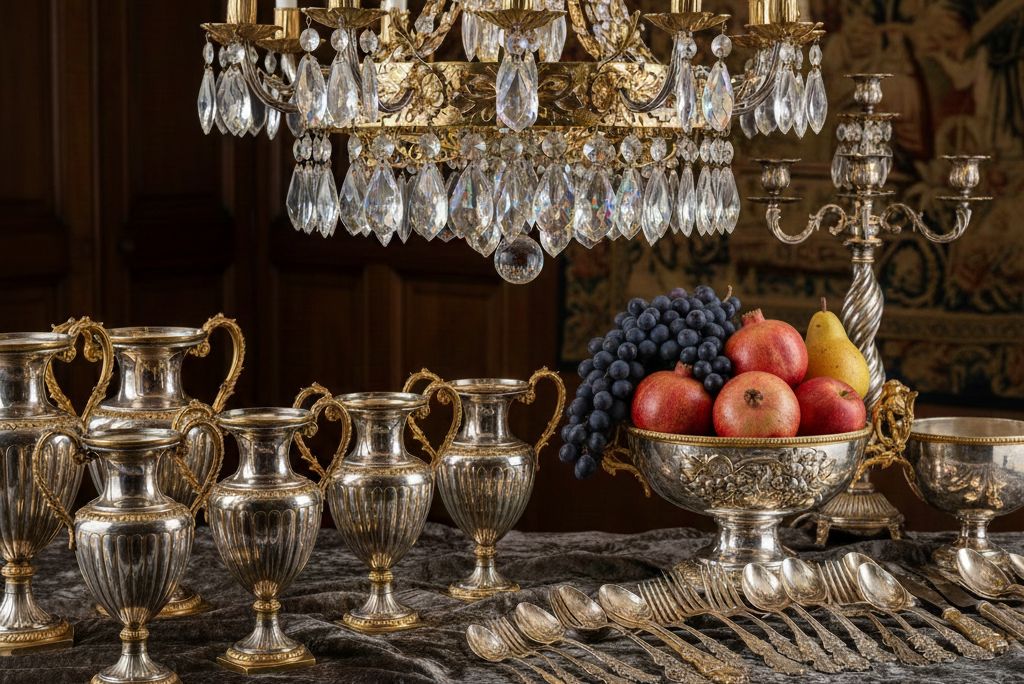
You have scoured auction houses. You have flipped through endless catalogues. After all that effort, you can boast of fine antique silver collectibles that are your pride and joy. From vases with soft curves, fruit bowls with elegant rims, tableware that carries the weight of history, and even antique silver jewellery, there is no end to this fascinating world of antique silverwares. Each piece holds charm, character, and a story that lives far beyond its shine. Antique silver can easily add a touch of class and elegance to your display cabinets, dining table and partyware. This is why vintage silver items continue to be popular.
Now that you own them, what comes next? It is time to protect them. Antique silver needs real care. If you want these pieces to stay bright for your lifetime and then move on to the next generation, you must clean your silverware and care for it the right way.
Cleaning silverware at home is not difficult. This guide walks you through everything you need to know. It will answer your question on how to clean silver at home, and it will show you how to store it properly so that its shine can last forever.

Also Read: Why Choose Auctions for Antique Silverware
The Allure of Antique Silver
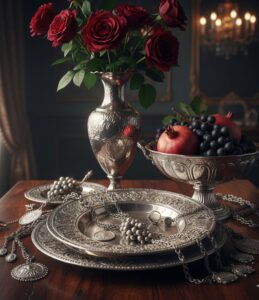
Antique silver holds a kind of charm that modern pieces rarely match. Part of it comes from age, part from artistry, and part from the unmistakable glow that only old silver develops over time.
From tableware like cutlery to decorative vases, and even collectibles like scent bottles, brooches, and pendants, each antique and vintage silver item has its own quirks, metal blends, and finishes. This is why proper care is not optional. The wrong cleaning method can scratch a surface, wipe away a gilt detail, or even remove patina that adds value. Knowing what to do and what to avoid is the heart of long-term preservation.
Why Does Silver Tarnish?
If you already have antique silver in your collection, you’re likely already familiar with how it can tarnish. Silver’s lustre can be covered with a brown, black or even blue-purple tarnish when it hasn’t been looked after.
Antique silver is usually a silver alloy, in that it has been mixed with other metals to improve its strength and durability. It is these other metals that cause the tarnish, which is a chemical reaction.
How Do You Clean Silverware?

https://www.youtube.com/watch?v=30oi4MRtdz8
Video credit:
One of the best ways to stop tarnish from forming is to regularly clean your silverware.
Routine Cleaning
- Fill a basin with warm water.
- Add a mild, fragrance-free dish soap.
- Dip a soft cotton cloth into the soapy water.
- You should handwash silver in hot, soapy water.
- Use a cellulose sponge to remove dirt.
- Use a natural bristle brush to remove any dried polish that may have accumulated in ornamental areas.
- Wipe the silver gently.
- Rinse with clean warm water.
- Dry fully with a soft, lint-free cloth.
Removing Tarnish, the Right Way
When tarnish appears, it shows as dull grey or black spots. The goal is to remove the tarnish, not strip away layers of silver.
BADA, the British Antique Dealers’ Association, suggests washing antique silver in a solution of mild detergent in hot water. Once the item has been rinsed in hot water, it can be buffed with a soft cloth.
Polishing Your Silverware

Be mindful of polishing too vigorously over engraved areas. Use a soft cloth and only a small amount of silver polish to remove tarnish, following instructions on the bottle.
You don’t have to polish at the sight of tarnish, but you don’t want the tarnish to get too heavy.
Follow these steps:
- Apply a small amount of silver polish to a soft cloth.
- Rub in small circles. Be patient. Let the polish do the work.
- Avoid heavy pressure.
- Buff with a second clean cloth.
- Repeat only where needed.
Cleaning Silver with Gilt Details
Gilt silver pieces have areas coated with gold. The gold layer is thin, which means you must be gentle.
- Skip abrasive polishes entirely.
- Use warm water and mild soap only.
- Tap with a soft cloth rather than rubbing
- Avoid repeated polishing unless absolutely needed.
- If the gilt looks dull, consider speaking with a professional restorer before trying anything stronger on your own.
Storing Antique Silver, The Right Way
Storage matters as much as cleaning. Poor storage leads to fast tarnish, moisture damage, scratches, and even corrosion.
Rules for Good Storage
- Keep silver dry.
Moisture is the enemy. Dry each piece completely before storing it. When not in use, silver flatware should be stored in a cutlery chest or a cutlery roll, but should never be put away unless it is completely clean and dry.
- Use Anti-tarnish Materials.
Wrap silver in tarnish-resistant cloth or bags. These fabrics slow sulphur exposure.
- Avoid Rubber.
Rubber causes silver to darken and pit. Do not store silver near rubber bands or rubber-backed items.
- Do Not Use Newspapers or Plastic Bags
The ink contains chemicals that stain silver.
Avoid storing silver in plastic bags as the sulphur content in plastic can cause tarnishing.
- Store Pieces Separately.
Silver scratches easily. Wrap each piece individually or place soft dividers between them.
- Control the Environment.
Store in a cool, dry space. Avoid attics, basements, or spots with big temperature swings.
- For silver with wood or velvet parts, such as jewellery boxes or handled items, keep them clean and dry before putting them away.
- Don’t Keep Your Heirloom Silverware Tucked Away!
Use silver as a decorative accent throughout your home. Let them bring a quiet shine to shelves, side tables, or dining spaces instead of sitting unseen in a drawer.
Tips Every Collector Should Know
- Wash silver after each use to remove food residues that speed tarnish.
- Do not use toothpaste, baking soda, or harsh powders to clean silverware
- Never place antique silver in the dishwasher.
- When handling silver, avoid lotions or perfumes on your hands. They leave residues.
- If a piece looks fragile, has loose joints, or is heavily tarnished, let a professional restorer take over.
- Display pieces in spots that avoid direct sunlight. Light speeds discolouration.
- Do not store silver in damp spaces or keep it wrapped in newspapers
Keeping the Shine for Generations
Antique silver is more than a collection of pretty objects. It is heritage you can hold and history you can use. Each piece you searched for, bid on, and brought home deserves steady care. Caring for your antique silver will keep it shining. Clean it gently, polish it with purpose, and store it in conditions that protect its glow. Let your silver live in the open, not hidden in boxes. When you give these treasures the time and attention they need, they reward you with beauty that lasts across generations.


About Post Author