Two Sides of Elegance: The Story of the Do-Shala Shawl
Indian shawls are more than functional textiles—they are cultural ambassadors, wearable art forms that tell the stories of centuries-old traditions and regional craftsmanship.
Kashmir is celebrated for its running streams and enchanting hills throughout the world. Another thing that is prized in Kashmir is the Pashmina wool. In the realm of unique fashion, the Pashmina shawl has everlasting glory. There are various styles and designs in the realm of Pashmina Art. Among these, we will discuss the exquisite Do-rukha Pashmina Shawl.
Imagine a shawl so finely crafted that it can be worn on both sides, each side reflecting the other like a perfect mirror. This is the magic of the Do-Shala shawl, also known as Do-rukha. For centuries, this remarkable textile has symbolised elegance, craftsmanship, and royal taste. Worn by nobles during the Mughal era and treasured by collectors today, the Do-Rukha shawl carries a history as rich as its patterns.
More than just a winter accessory, the Do-Shala shawl is a masterpiece of reversible weaving. From royal courts to modern wardrobes, this shawl continues to tell a story of heritage and timeless style.
In this blog, we explore the history, craftsmanship, motifs, types, and styling tips for the Do-Shala shawl.
Also Read: Embroidery on Kashmiri Shawls
What is a Dorukha Shawl?
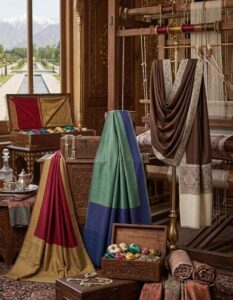
Dorukha, as the name suggests, basically means ‘two-sided or double-faced’. The term Do-Shala comes from Persian roots:
- “Do” means two
- “Shala” refers to a shawl
Together, it literally means “two-sided shawl.”
What makes the Do-Shala unique is its mirror-image weaving technique. The patterns appear identical on both sides but with reversed colours.
This reversible construction requires extraordinary weaving skill. The result is a shawl that looks equally beautiful from either side.
History of the Do-Shala Shawl and Mughal Heritage
The Do-Shala (or Dorukha) shawl gained popularity around the 1860s. But did you know these shawls have a history dating back to the Mughal period? It is said that Emperor Akbar had a huge collection of these Kashmiri Do-Shala Shawls. These shawls used to be worth their weight in gold and were even offered in the form of tax, a prized gift or even in the form of the king’s ransom.
Kashmir, already famous for its shawl weaving, became a center for producing these exquisite pieces. Under Mughal patronage, local artisans developed advanced techniques to create reversible textiles like the Dorukha shawl.
Key Aspects of the Do-Shala (Dorukha) Shawl
-
Reversible Masterpiece
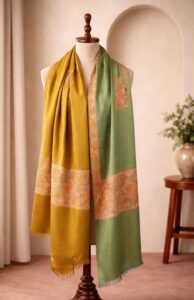
The defining feature of the Do-Shala or Dorukha shawl is its perfectly reversible construction. Unlike ordinary textiles that have a clear front and back, this shawl is finished with equal precision on both sides.
Unlike printed textiles, where patterns are applied afterwards, the designs in a Dorukha shawl are woven directly into the fabric. This requires careful control of coloured threads so that the pattern appears correctly on both sides.
-
Advanced Weaving Technique
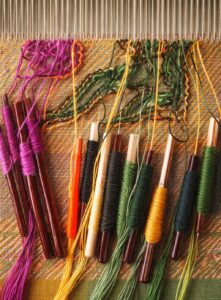
Do-Shala shawls are typically created using a twill-tapestry weaving method, a complex technique that interlocks coloured weft threads with the warp to build intricate patterns. This process allows the design to appear simultaneously on both sides of the fabric.
-
Exceptional Craftsmanship
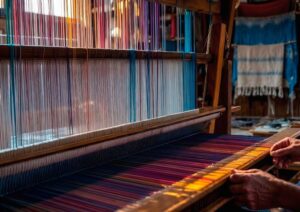
Producing a Dorukha shawl demands immense skill and patience. Artisans often spend weeks or even months weaving a single shawl, depending on the size and complexity of the motifs. Every thread contributes to the final mirrored effect, leaving little room for error.
-
Balanced Colour Composition
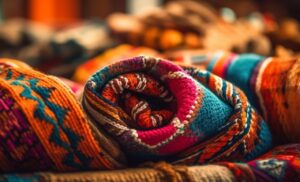
Another notable aspect of the Do-Shala shawl is its carefully balanced colour palette. Since both sides must appear equally attractive, the weaver selects colours that complement and contrast effectively when reversed.
Common Motifs in Do-Shala Shawls
The beauty of a Do-Shala shawl lies not only in its technique but also in its ornamental motifs.
Some popular motifs include:
-
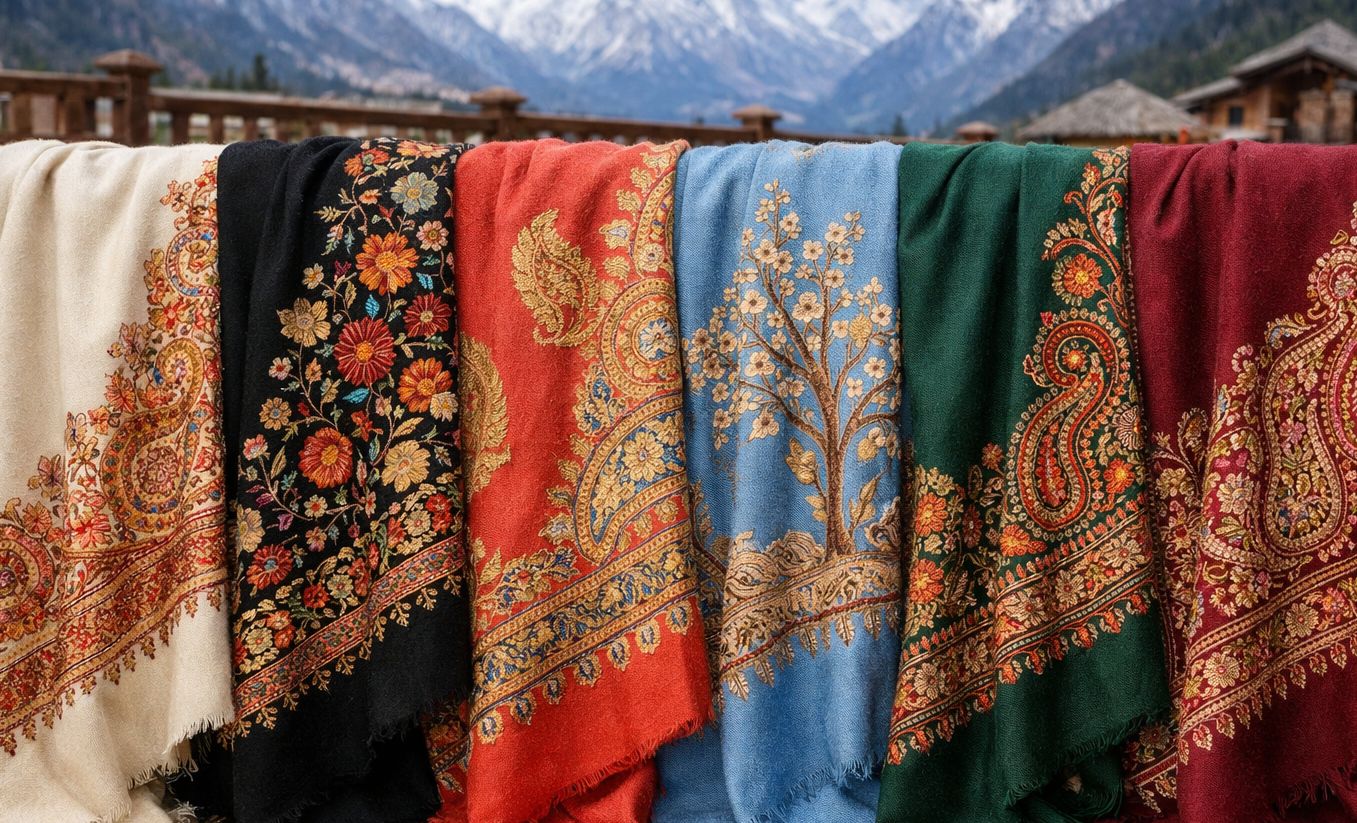
Paisley (Buta)

Perhaps the most recognisable motif, the paisley shape resembles a curved teardrop or mango. It symbolises growth and fertility and became a hallmark of Kashmiri shawls.
-
Floral Vine Patterns
Inspired by Mughal gardens, these designs feature flowing vines with delicate blossoms. They create a sense of movement across the shawl.
-
Geometric Borders
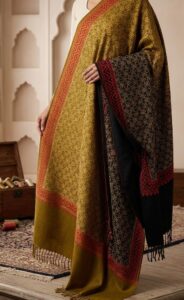
Many Do-Shala shawls have detailed borders that frame the central design. These borders often include repeating geometric shapes.
-
Tree of Life
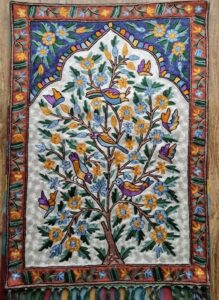
Another traditional motif is the Tree of Life, symbolising prosperity and the connection between earth and heaven.
-
Kashmiri Kani Patterns
Some shawls incorporate patterns associated with Kani weaving, known for their detailed and colourful compositions.
Types of Do-Shala Shawls
Over time, different variations of Do-Shala shawls emerged based on material, weaving technique, and design complexity.
-
Pashmina Do-Shala
Made from ultra-fine pashmina wool, these shawls are soft, warm, and lightweight. They are considered the most luxurious type.
-
Wool Dorukha Shawls
Crafted from fine sheep wool, these shawls are slightly thicker but durable and ideal for colder climates.
-
Kani Do-Shala Shawls
These shawls use the Kani weaving technique, where small wooden sticks (kanis) are used to create complex patterns.
-
Embroidered Dorukha Shawls
Some shawls combine weaving with embroidery to enhance motifs and borders.
How to Style a Do-Shala Shawl
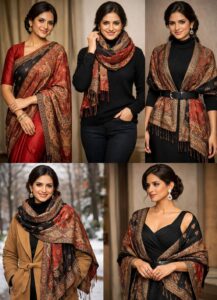
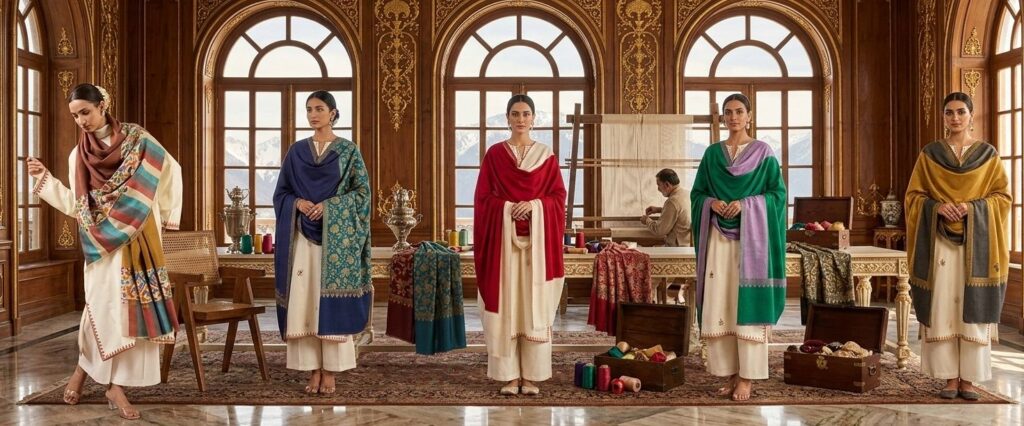
One of the best things about a Do-Shala shawl is its versatility.
Here are some styling ideas.
-
Classic Shoulder Drape
Drape the shawl across your shoulders with one side visible. This works beautifully with sarees, kurtas, or formal suits.
-
Reversible Wrap
Wrap the shawl loosely around your neck and allow the second side to show slightly for a layered effect.
-
Belted Shawl Look
For a modern twist, place the shawl over your shoulders and secure it with a belt around the waist.
-
Winter Layering
Pair a Dorukha shawl with a long coat or sweater. The rich patterns add warmth and visual interest.
-
Evening Elegance
Use the shawl as a statement accessory with evening wear or formal attire.
The Modern Revival of Dorukha Shawls
In recent years, there has been renewed interest in traditional textiles and handmade craftsmanship. The Dorukha shawls have indeed undergone a lot of changes in terms of modern colours that are bolder with more exquisite colour combinations and designs. There is a lot of difference in the modern Dorukha, with more geometrical patterns as well as a modern twist given to the conventional designs.
Final Thoughts
The Do-Shala shawl is more than a garment. It is a story woven with skill, tradition, and cultural heritage. From the grandeur of Mughal courts to contemporary fashion, this reversible masterpiece continues to inspire admiration.
Its mirror-image patterns, intricate motifs, and luxurious textures reflect the brilliance of generations of artisans. Whether worn for warmth, style, or tradition, the Do-Shala shawl remains a timeless symbol of craftsmanship and elegance.
If you are passionate about textiles, history, or fashion, the Dorukha shawl offers a rare combination of beauty, heritage, and versatility.
Giftex: A World of Collectibles Auction
Giftex brings you yet another exquisite Collectibles Auction this March through its online auction platform. This carefully curated sale features a remarkable range of rare and timeless pieces that celebrate craftsmanship, history, and design.
From antique and vintage furniture to exquisite silver pieces and textile treasures, the auction offers something special for collectors, interior enthusiasts, and connoisseurs of heritage objects. Stay tuned and explore the catalogue online. This is one auction you won’t want to miss.


About Post Author