
The Timeless Beauty of Oil Paintings in the Indian Art Market
Walk into any art fair or gallery today, and a noticeable shift becomes evident. Indian art collectors are becoming more influential, global auctions are witnessing rising participation from Indian buyers, and Indian artists are gaining increasing international recognition. Amidst this evolving landscape, one medium continues to stand tall—oil painting. Among the many art forms available, oil paintings dominate high-value collections. This dominance is not accidental; rather, it is driven by their unmatched durability, rich texture, and deep-rooted historical significance. Furthermore, when it comes to investing in art, oil paintings have long been regarded as a sound financial choice.
So, what exactly fuels the enduring allure of oil paintings? And why are oil paintings as an investment asset on the rise? This blog explores the key reasons behind their prominence while also examining the factors that influence oil painting price and quality, helping collectors make informed decisions.
Also Read: Contemporary Art: Top 10 Indian Artists
The Timeless Allure of Oil Paintings

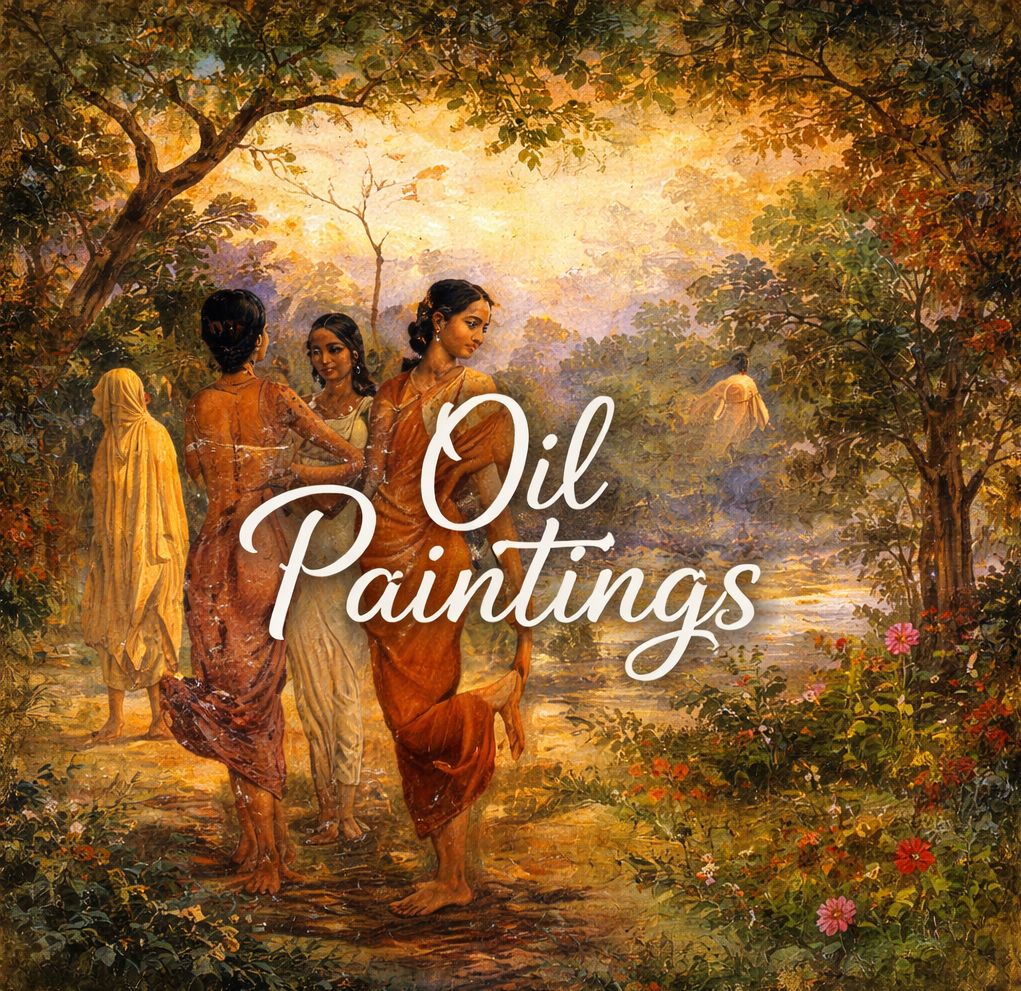
Oil paintings are not merely decorative objects; they are embodiments of legacy, craftsmanship, and emotion. Unlike other media, oil paint allows artists to build layers, create depth, and achieve a luminosity that is difficult to replicate.
As a result, viewers often experience a stronger emotional connection with oil paintings compared to prints or digital works.
Why Oil Paintings Are Worth the Investment
-
Oil Paintings Appreciate in Value
One of the most compelling reasons oil paintings are considered a strong investment lies in their ability to appreciate over time.
As an artist’s reputation grows, the demand for their work increases. Therefore, collectors who invest early often benefit from significant value appreciation.
-
Exceptional Durability and Longevity
Another defining advantage of oil paintings is their durability. When properly preserved, oil paintings can last for centuries without losing their vibrancy.
This longevity not only ensures aesthetic value but also strengthens their position as a long-term investment asset.
-
Aesthetic Impact

Art is not solely a financial investment—it is also an enhancement of one’s environment. A carefully chosen oil painting has the power to transform a space completely.
As a result, collectors often view oil paintings as both emotional and lifestyle investments.
-
Bridging Tradition and Modernity

Oil painting is a medium that seamlessly bridges the past and the present.
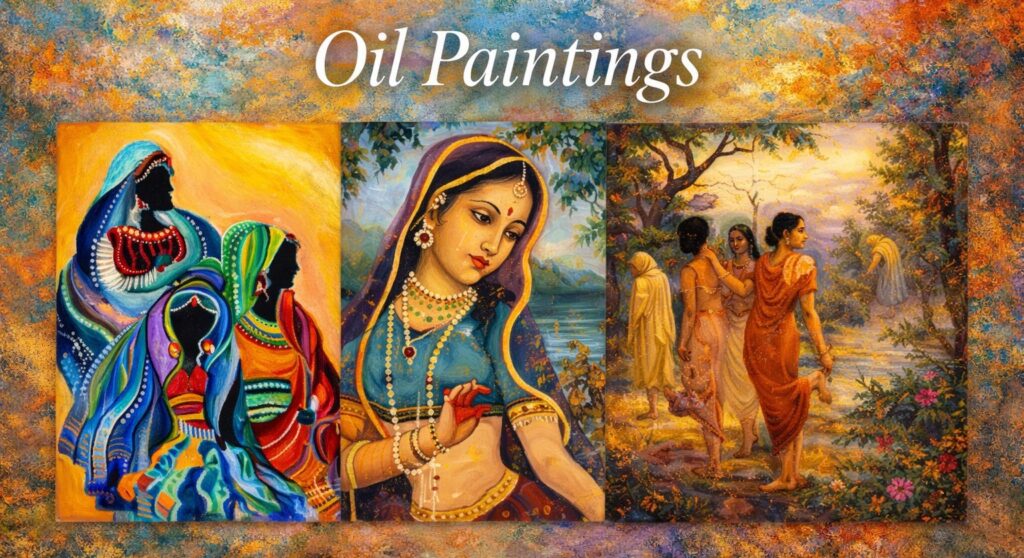
Indian oil paintings, in particular, reflect this duality. They capture themes ranging from mythology and spirituality to modern abstraction and social narratives.
-
Prestige in the Global Art Market
Oil paintings have long been regarded as the pinnacle of artistic achievement.
Renowned Indian artists such as Raja Ravi Varma, Amrita Sher-Gil, M. F. Husain, and Jamini Roy, amongst others, have contributed significantly to this legacy. Therefore, investing in oil paintings often aligns with acquiring pieces that hold both cultural and financial prestige.
-
Versatility Across Styles
Oil paints offer unmatched versatility. Artists can experiment with various techniques, ranging from hyper-realism to expressive abstraction.
Because of this flexibility, oil paintings can complement diverse interior styles.
Factors Influencing Oil Painting Price and Quality
Understanding what determines the value of an oil painting is essential for making informed investment decisions.
-
Size and Complexity

The size of a painting significantly impacts its price. Larger artworks typically require more materials and time, which increases their cost.
However, complexity is equally important. A smaller painting with intricate detailing may command a higher price than a larger but simpler piece.
-
Artist Reputation
The reputation of the artist is one of the most influential factors in determining value. Established artists with a strong market presence often command higher prices due to their proven track record.
On the other hand, emerging artists offer opportunities for early investment. Although their works may be priced lower initially, they hold potential for future appreciation as their careers develop.
-
Historical and Cultural Significance

Paintings that carry historical or cultural importance tend to have higher value. This includes artworks associated with significant art movements or those depicting timeless themes.
Additionally, artworks linked to key moments in art history are considered valuable assets due to their contextual importance.
-
Art Market Trends and Economic Conditions
Art market trends play a crucial role in shaping demand. Preferences among collectors can shift based on themes, styles, and cultural influences.
For instance, there has been a growing interest in Indian contemporary art, which has positively impacted the demand for oil paintings.
Moreover, economic conditions also influence pricing. During periods of economic growth, art investments tend to increase, leading to higher prices. Conversely, in uncertain times, the market may stabilize
-
Quality and Condition
The intrinsic quality of a painting directly affects its value. High-quality oil paintings are characterized by:
- Skilled brushwork
- Balanced composition
- Rich, vibrant colours
- Use of premium materials
Additionally, the condition of the artwork is critical. Paintings that are well-preserved, free from damage, and properly restored maintain higher market value.
-
Limited Supply and Exclusivity
Scarcity is a defining factor in the art market. Since each oil painting is unique, its availability is inherently limited.
As demand increases—especially for works by recognized artists—the value rises. Unlike prints, which can be reproduced, oil paintings remain exclusive. This exclusivity enhances their desirability among collectors.
-
Provenance and Documentation
Provenance refers to the history of ownership of a painting. Artworks with documented provenance are generally more valuable.
If a painting has been exhibited in prestigious galleries or owned by notable collectors, its credibility and desirability increase. Furthermore, authenticity certificates and proper documentation assure buyers, thereby boosting investment confidence.
Oil Paintings: A Smart and Lasting Investment
Oil paintings offer a unique combination of emotional, cultural, and financial value. While they enrich spaces with beauty and depth, they also serve as tangible assets that can appreciate over time.
Moreover, their ability to capture both traditional narratives and modern themes ensures their continued relevance in an evolving art market. As demand for fine art grows, Indian oil paintings are expected to remain a preferred choice for collectors.
Ultimately, investing in oil paintings is not just about owning art—it is about preserving culture, supporting creativity, and participating in a legacy that transcends generations.
Giftex: Modern and Contemporary Art Auction – This April
This April, Giftex returns with its highly anticipated Modern Indian Art Auction. Explore masterpieces by prominent Indian artists, featuring a diverse range of oil paintings, watercolours, sketches, and more. Don’t miss the opportunity to discover and collect exceptional works of art.


About Post Author