
A Beginner’s Guide To Antique Furniture Maintenance
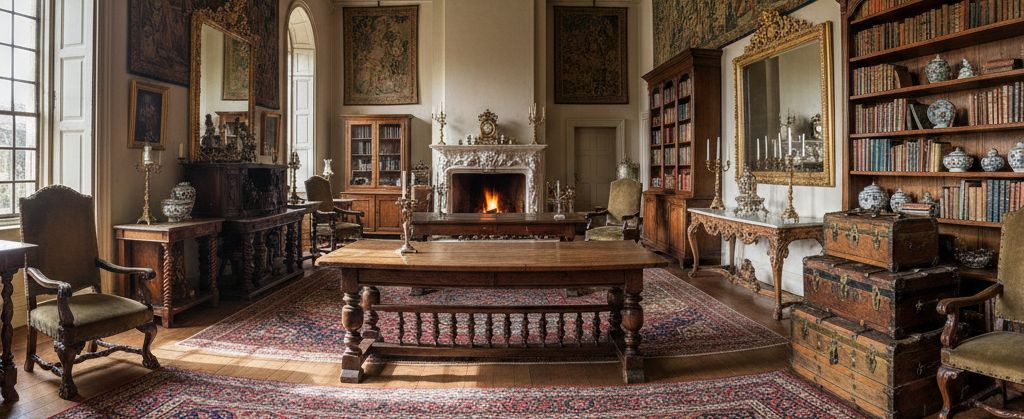
Have you recently come into possession of some beautiful vintage Indian furniture? Or perhaps some other antique wooden furniture? Antique furniture, with its unparalleled charm and historical significance, adds a touch of timeless elegance to any space. However, simply acquiring these pieces and displaying them is not enough. It is of the utmost importance to preserve antique furniture, so as to enhance its beauty and ensure its longevity.
Caring for your antique furniture is not a complex process. You don’t have to be a museum curator to keep your vintage treasures safe, clean, and beautiful. Whether you have a cherished family heirloom or a vintage find, knowing how to care for antique furniture is crucial. In this guide, we delve into the art of maintaining, safeguarding and caring for your antique furniture so that your treasure lasts a lifetime.

Understanding Your Antiques
The first task in ensuring that your antique furniture is preserved for a long time begins with understanding your antiques.
- Understanding the Materials
Different woods react differently to moisture, polishes, and temperature changes. Mahogany, walnut, and oak were common in many traditional styles, while pine and other softwoods appear in simpler or earlier pieces. You may not always know exactly what wood you’re looking at, and that’s fine. The point is to get a sense of whether it’s a hard or soft wood, how dry it feels, and whether the surface looks sealed or open-grained.
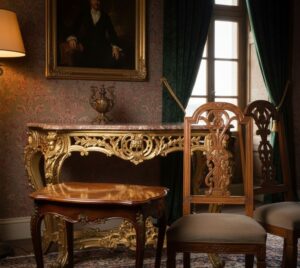
- Look for Gilt Decoration
Some antiques, especially ornate European pieces, carry gilt details—thin layers of gold leaf applied to carved accents. These areas are fragile. They don’t tolerate scrubbing or strong cleaning solutions. A dry, soft brush is usually the extent you should go.
Read More About Giltwood Furniture Here
- Check the Ornamentation
Raised scrolls, figurines, inlays, and carved motifs collect dust more easily than flat surfaces. They also break more easily. When you clean these areas, you’ll need a lighter touch.
- Study the Design
Look at how the piece is built. Are the joints hand-cut? Are there dowels, nails, or dovetails? Construction tells you how much stress the furniture can handle.
Cleaning and Preserving Antique Furniture: A Practical Guide
https://www.youtube.com/watch?v=tmd6bpgQfXM
Video Credit: Restorate
Ever wonder what the process is to properly clean antique and vintage wooden furniture? Let’s take a look at some tips and tricks for caring for your antique furniture.
A. Cleaning Antique Furniture
Dust and grime are the two main enemies of antique wood. They settle into crevices and build up along edges. Over time, that buildup dulls the finish and can even trap moisture.
- Banishing Dust
Dusting may sound simple, but how you do it matters. Skip feather dusters. They scatter dust more than they remove it. Instead, use a soft microfiber cloth that can pick up fine particles. Wipe along the grain, not across it, and be patient with carved areas.
- Effectively Cleaning Wood
If the surface has years of residue, fingerprints, or a light film, a mild cleaning solution is enough. Mix a small amount of mild dish soap with distilled water.
Dip a microfiber cloth into the solution, wring it almost dry, and wipe gently. Don’t soak the wood. Moisture seeps into cracks and joints, and that’s the start of warping or swelling. After wiping with the soapy cloth, go over the surface with a clean, barely damp cloth to remove any leftover soap, then dry it right away.
- Use the Right Cleaning Products
There are countless wood cleaners on the market, and some work well. But many contain silicone, heavy oils, or glossy polymers that leave a shiny film. While that shine looks good for a moment, it can build up and mask the original finish.
- Polish Wooden Furniture
Polishing isn’t the same as cleaning. Polishing replaces the natural oils that wood slowly loses. A thin layer of high-quality paste wax can protect the finish and add a soft sheen. Apply it sparingly with a soft cloth, let it haze, then buff gently.
- Preservation: Keeping Antiques Safe
Cleaning is only half of the work. To preserve antique furniture, you have to protect it from the everyday conditions that cause wear.
- Keep Antiques Out of Direct Sunlight
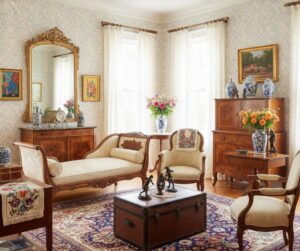
Sunlight fades wood and dries out finishes. It also bleaches upholstery and weakens fabrics. If a piece must sit near a window, use sheer curtains, UV-filter film, or move the furniture slightly so it’s not in the path of the strongest rays.
- Control the Temperature and Humidity
Sudden swings in temperature or humidity are tough on old wood. Wood expands in humidity and shrinks when conditions dry out. Over time, this movement loosens joints, cracks veneers, and causes warping.
- Handle Antiques Like They’re Alive
When you move an older piece of furniture, support it from underneath. Don’t lift a chair by its back, and don’t drag a table by one edge. Handles on old drawers are not meant to take the weight of the drawer itself. If a piece is heavy, get help.
- Use the Right Tools for Cleaning
You don’t need speciality kits or expensive creams. You only need the following:
- Soft microfiber cloths
- Distilled water
- Mild dish soap
- Soft-bristled brushes
These simple tools cover most of what you need for safe, everyday maintenance.
- Conservation and Restoration
Even with careful care, antiques age. That’s part of their charm. The goal isn’t to make them look new. The goal is to keep them stable and safe.
- Knowing When to Seek Professional Help
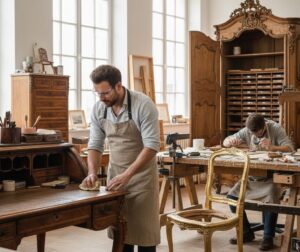
Some signs tell you it’s time to call a conservator or restorer. If you see chipping that grows over time, veneer lifting, deep cracks, or joints that wobble, don’t try to fix them yourself. Amateur repairs can cause more damage.
Professionals can match old finishes, repair loose joints, and stabilise fragile surfaces.
- Preserving Patina
Patina is the soft shine and natural wear that comes from age. It’s part of the piece’s history. Avoid stripping finishes or sanding surfaces unless a professional recommends it. Once the original surface is gone, you can’t get it back.
- Display and Storage
- Proper Display Techniques
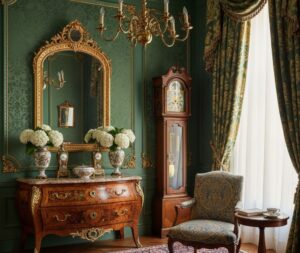
How you display your antiques matters. Give pieces enough space so they’re not brushed by people walking past. Avoid placing them where kids or pets often run. Use felt pads under vases, lamps, or any hard objects that rest on a wooden surface.
If an antique is part of a regular living space, rotate the objects that sit on it. This prevents uneven wear or fading.
- Storage Guidelines
If a piece isn’t in use, store it in a place that’s clean, dry, and has good airflow. Avoid damp basements, musty sheds, or garages that experience big temperature swings. Cover stored pieces with cotton sheets rather than plastic. Plastic traps moisture, which leads to mould and mildew.
Caring for Antiques Is About Respect
Antique furniture rewards the people who understand it. When you take time to learn the materials, clean with the right methods, protect against sunlight and humidity, and know when to call a professional, your furniture can last generations.
These pieces have survived dozens or even hundreds of years. With steady care and thoughtful handling, they’ll keep their character and beauty for many more.


About Post Author