A Beginner’s Guide to Collecting Porcelain
People have been collecting antiques for hundreds of years. Among the many categories, porcelain collecting has always stood out as a fascinating hobby. Beautiful objects have been created from porcelain for centuries. Decorative and functional items have been treasured by collectors across the world.
Antique ceramics are a huge area of collectibles. Pieces have been made from porcelain, stoneware, and earthenware. In our previous blog, the different types of ceramics were discussed in detail. Now, the focus will be placed on porcelain, the most popular and widely collected ceramic material.
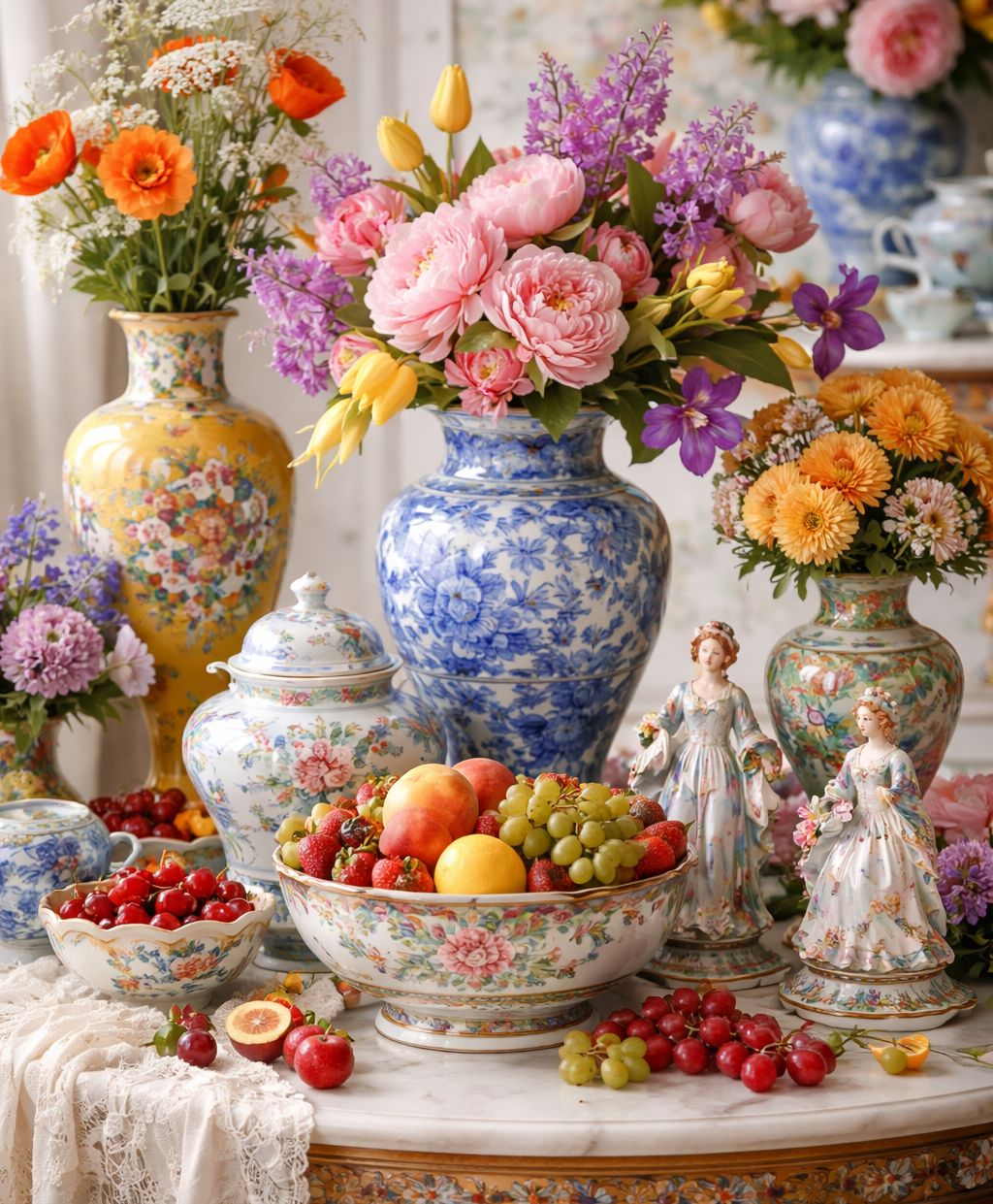
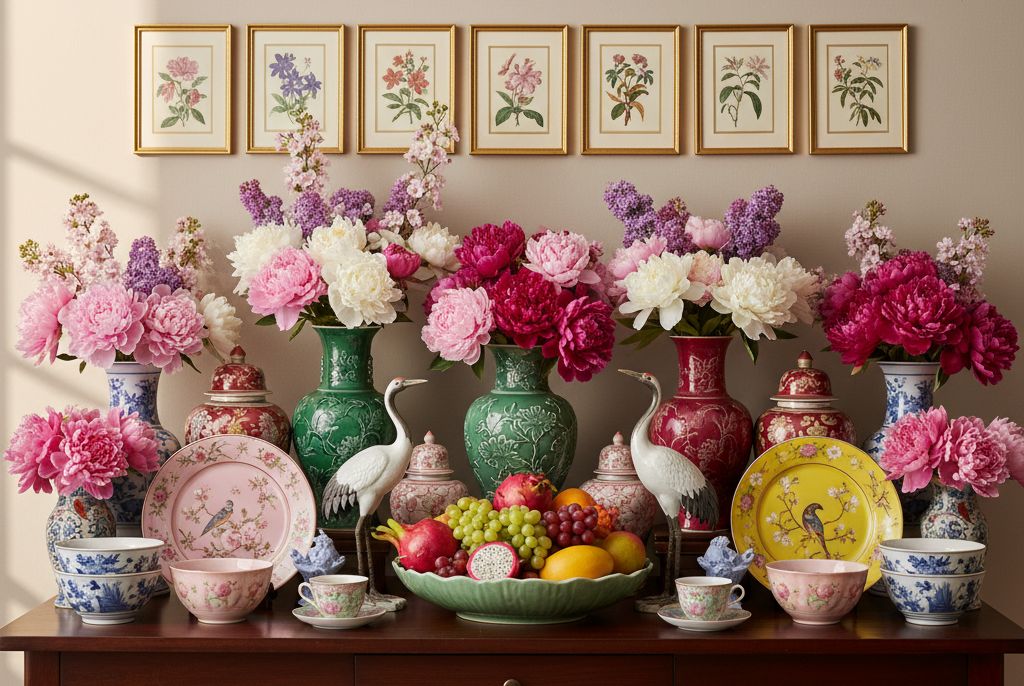
From delicate porcelain vases to elegant porcelain bowls, porcelain figurines, and complete dinner services, the variety is immense. Because of this range, the topic can feel overwhelming for beginners. However, porcelain collecting can be enjoyed by anyone who starts with the right approach.
This beginner’s guide has been created to help new collectors understand the basics. By the end, you will have the knowledge needed to begin collecting antique and vintage porcelain with confidence.
Also Read: Types of Antique Porcelain
What Antique Ceramics Should You Collect?
This is often the first question beginners ask. The answer is not always simple. Antique ceramics include many materials and objects. Porcelain, stoneware, and earthenware have all been produced across different cultures and historical periods.
So where should you begin?
For a novice collector, two simple principles should be followed.
First, start with what you love.
Objects that attract your eye should be collected. If a piece brings joy, it will hold value beyond money.
Second, think about functionality.
Items that can still be used or displayed easily often make great starting points.
When these two ideas are combined, your collecting niche will naturally appear.
For example:
- A Victorian serving bowl that can be used for special occasions
- Decorative porcelain plates displayed on a wall
- Vintage porcelain vases used as statement décor pieces
- Charming porcelain figurines displayed on shelves
Key Characteristics: What to Look for in Antique or Vintage Porcelain
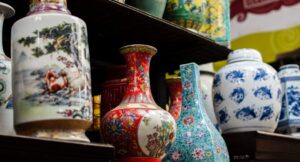
Recognizing genuine porcelain is an important skill for any collector. Several characteristics are commonly used to identify quality porcelain.
- Translucency
Translucency is perhaps the most defining feature of true porcelain. When a porcelain piece is held up to a strong light source, some light will pass through the body of the material. This effect is especially noticeable in hard-paste porcelain.
- Whiteness
Porcelain is naturally bright white or slightly off-white. Because of this pure base colour, vibrant decorations can be applied. Jewel-toned enamels and intricate painted designs were often added by skilled artisans.
Collectors often admire porcelain for its brilliant canvas and detailed artistry.
- Sound (Resonance)
A simple test can sometimes be used. When a porcelain object is gently tapped, a clear and high-pitched ringing sound is usually produced.
This bell-like resonance is created by the dense, vitrified structure of porcelain.
- Feel
Porcelain usually feels smooth, cool, and dense to the touch. The surface will feel refined and polished. This tactile quality is often noticed immediately.
- Glaze
Porcelain glazes are usually hard, clear, and uniform. The glaze is fused seamlessly with the body of the piece during firing. High-quality porcelain will show very few irregularities in the glaze surface.
Types of Porcelain: A Collector’s Categorization
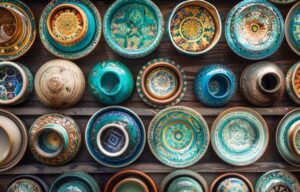
The world of porcelain is not uniform. Several types of porcelain were developed historically.
- Hard-Paste Porcelain (True Porcelain)
Hard-paste porcelain is often referred to as true porcelain. It was first developed in China and later reproduced in Europe during the early 18th century.
Composition: Kaolin clay mixed with feldspar and quartz
Characteristics:
- Strong and durable
- Highly translucent
- Fired at very high temperatures
- Crisp, clear ringing sound when tapped
European factories worked for years to replicate Chinese porcelain. Eventually, successful production was achieved in places such as Meissen in Germany.
- Soft-Paste Porcelain
Soft-paste porcelain was developed in Europe before the true formula was discovered. It was created as an attempt to imitate Chinese porcelain.
Composition: Clay mixed with glassy substances such as ground glass or bone ash
Characteristics:
Slightly softer than hard-paste porcelain
- Less translucent
- Often creamier in colour
- More prone to scratches or chips
- Bone China
Bone china is one of the most recognized porcelain types today.
Origin: England in the late 18th century
Composition: Porcelain clay mixed with bone ash
Characteristics:
- Exceptional whiteness
- High translucency
- Lightweight yet strong
Bone china became widely popular for tea sets and dinner services because of its durability and elegance.
Beyond the Basics: What Every Collector Needs to Know
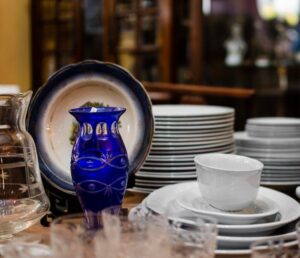
Once the basics of porcelain are understood, several other factors should also be considered when building a collection.
- Maker’s Marks
Always look at the base of a porcelain piece. These maker’s marks can reveal valuable information such as:
- The manufacturer or factory
- The production period
- The country of origin
Many collectors rely heavily on these marks to authenticate antique porcelain.
- Manufacturing Flaws
Small imperfections are sometimes a good sign. Kiln cracks, firing marks, or glaze irregularities may indicate traditional manufacturing methods.
These marks can show that the object was created long ago rather than mass-produced recently.
- Style and Period
Different historical periods introduced distinctive artistic styles.
Examples include:
- Rococo elegance with elaborate curves and ornamentation
- Neoclassical symmetry and classical motifs
- Victorian decorative richness and floral patterns
Recognizing these stylistic clues can help narrow down the age of a porcelain object.
- Provenance
Provenance refers to the documented history of ownership. A piece with a clear history can become more valuable.
For example, porcelain once owned by a known collector or aristocratic family may carry additional historical significance.
Care and Conservation
Antique porcelain is delicate and should be preserved carefully.
- Handling
Porcelain should always be handled gently. It is best to hold items with both hands and support the base rather than fragile handles or decorative elements.
- Cleaning
Regular dusting is recommended. A soft brush or microfiber cloth can be used.
For glazed porcelain, a gentle wipe with a slightly damp cloth can remove surface dirt. Porous ceramics, such as unglazed terracotta or earthenware, should be cleaned only with dry methods because moisture can be absorbed.
Abrasive cleaners should never be used.
- Professional Restoration
If a porcelain piece becomes damaged, professional restoration may be required. A trained ceramics conservator can repair cracks, chips, or broken parts using specialized techniques.
Collectors are usually advised not to attempt major repairs themselves.
Where to Find Antique and Vintage Porcelain
One of the most enjoyable parts of collecting is searching for new pieces.
Antique porcelain can often be found in several places:
- Antique fairs and vintage markets
- Auction houses
- Estate sales
- Antique shops
In recent years, online auction houses like Giftex have become popular. Digital platforms allow collectors to browse curated selections and participate in bidding from anywhere.
Conclusion: Become an Informed Collector
Porcelain represents a remarkable achievement in craftsmanship. Its translucent beauty, refined elegance, and historical significance have long fascinated collectors.
For beginners, the journey should start with curiosity and personal taste. Collect pieces you love. Porcelain collecting is not only about acquiring objects. It is about appreciating artistry, history, and cultural heritage. With patience and careful observation, anyone can become a thoughtful and informed collector.
Giftex: A World of Collectibles Auction
This March, join Giftex for its renowned A World of Collectibles Auction. The event brings together an exciting selection of antique treasures and vintage collectibles from different eras and styles.
Start your collector journey with Giftex this March and discover pieces that tell a story.


About Post Author