
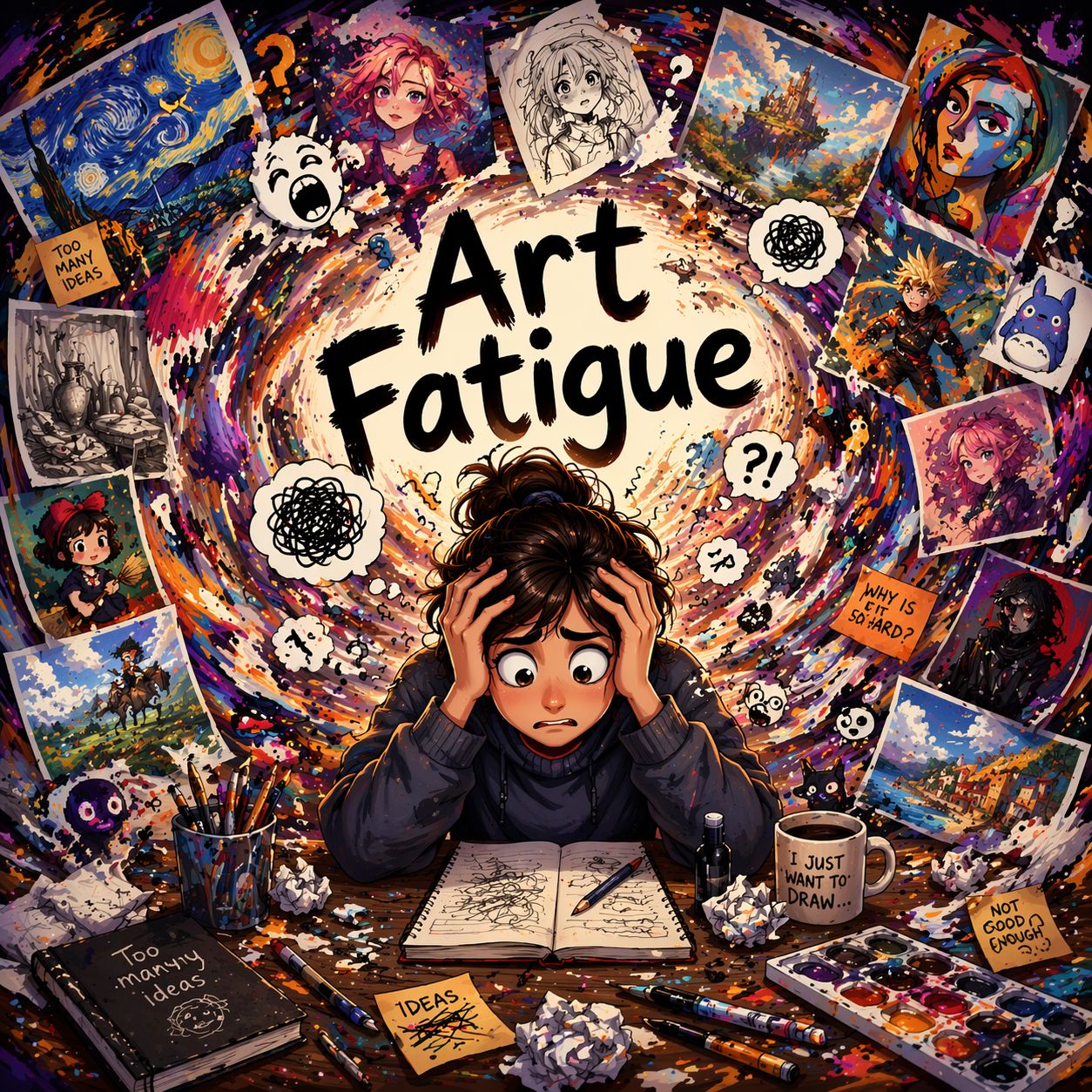
Art Fatigue Is Real—Here’s How to Fix It
Art is meant to hold you. At its best, it captures attention, slows time, and gently transports you somewhere else. However, when too many pieces are placed together without intention, that very power can be diluted. Instead of feeling drawn in, the viewer may feel overwhelmed, distracted, or even disconnected. This is where art fatigue begins.
Over the past few years, especially during and after the lockdown period, interest in art has significantly increased. Galleries, auction houses, and online platforms saw a surge in engagement. A new generation of collectors entered the global contemporary art space with curiosity and enthusiasm. Collections were built quickly, often driven by passion and accessibility.
Yet, alongside this growth, a quieter shift has also been noticed. Many art collectors have started feeling that their connection with their own artworks has weakened. Appreciation has slowed down. Pieces that once felt powerful now blend into the background. This experience is not uncommon—and it can be explained.
In this guide, art fatigue will be explored, along with its causes and symptoms. More importantly, practical display tips will be shared so that your artwork can breathe, stand out, and be truly experienced.

Also Read: The Beauty Of Less: Indian Minimalistic Art
What Is Art Fatigue?
Art fatigue in home decor can be described as a sense of visual overload. It is often caused by too many artworks being displayed at once, clashing styles, or overly curated walls. As a result, the eye is given no place to rest.
When every wall is filled, and every piece demands attention, the space begins to feel crowded rather than curated. Consequently, instead of enhancing the environment, art starts to compete within it.
In simple terms, when everything is highlighted, nothing stands out.
Symptoms of Art Fatigue
Art fatigue does not happen suddenly. Instead, it develops gradually, often going unnoticed until the space begins to feel “off.”
-
Visual Noise
When multiple statement pieces are placed together, visual competition is created. The room may feel chaotic rather than calm, and the overall impact of each artwork is reduced.
-
Declining Appreciation
Just like in a museum where too many paintings are viewed at once, the ability to truly see each artwork is diminished.
-
Decision Fatigue
An over-decorated space can become stressful to manage. Rearranging, editing, or fixing the layout may feel overwhelming, leading to creative burnout.
Causes of Over-Decorating
Understanding the root of art fatigue makes it easier to avoid.
-
Chasing Trends
Maximalism, gallery walls, mixed styles—while each trend has its appeal, combining too many at once can create confusion rather than cohesion.
-
Fear of Empty Space
Blank walls are often seen as incomplete. However, negative space is essential for balance. Without it, the room loses clarity.
-
Over-Curation
When too many pieces are placed together, individual artworks lose their voice.
How to Manage Art Fatigue: Display Tips
-
Choose a Dominant Artwork
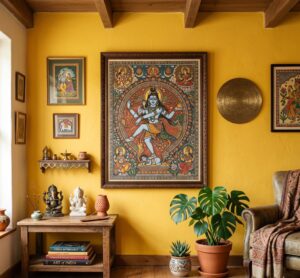
One key piece should be allowed to lead the room. This artwork can be larger in scale or stronger in visual impact. Once chosen, other elements should be arranged around it in a supportive way, rather than competing with it.
-
Create a Clear Hierarchy
Instead of treating every piece equally, a hierarchy should be established. One or two statement artworks can be given prominence, while smaller or quieter pieces can play a secondary role. This layered approach naturally guides the eye.
-
Let Walls Breathe
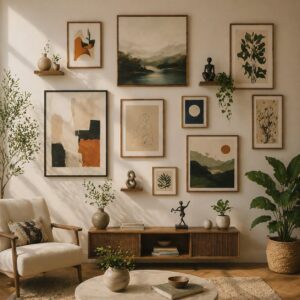
Spacing is crucial. A gap of at least 2–3 inches between frames should be maintained. In larger arrangements, even more space may be needed. Negative space allows each artwork to stand on its own and be appreciated fully.
-
Curate, Don’t Accumulate
It is important to edit regularly. Not every artwork needs to be displayed at the same time. Pieces that no longer align with your current style or mood can be stored or rotated.
-
Practice Art Rotation
Instead of displaying your entire collection, artworks can be rotated periodically. This not only prevents fatigue but also allows each piece to feel fresh when reintroduced.
-
Slow Down the Process
“Slow decorating” should be embraced. Rather than rushing to fill every wall, the space should be allowed to evolve naturally. Over time, a more intentional and meaningful environment will be created.
-
Use the 2/3 Rule
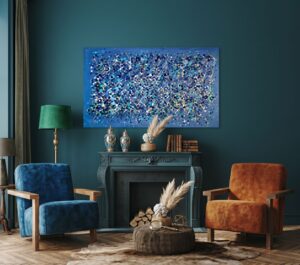
For balance, artwork should typically span about two-thirds the width of the furniture beneath it. This creates proportion and prevents pieces from looking either too small or overwhelming.
-
Test Layouts on the Floor
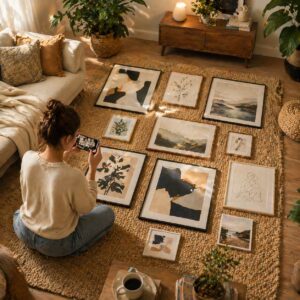
Before committing to nails in the wall, arrangements can be tested on the floor. Photos can be taken to evaluate the composition. This simple step can prevent costly mistakes.
-
Prioritize Eye Level
Art should generally be hung at eye level, with the center positioned around 57 to 60 inches from the floor. This ensures that the piece feels naturally integrated into the space
-
Consider Lighting Carefully
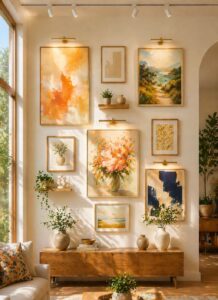
Lighting plays a significant role in how art is experienced. Soft, focused lighting can highlight key pieces, while harsh or uneven lighting may create distraction.
Managing Art Storage, the Right Way
For collectors, not every artwork can or should be displayed at once. Proper art storage solutions ensures both preservation and flexibility.
-
Organized, Professional Storage
Climate control is essential. Ideally, humidity levels should be maintained between 40–50%, and temperatures between 21–24°C. This prevents damage such as warping, fading, or mold.
-
Secure Facilities
When space is limited, professional storage facilities can be used. These are designed specifically for art, offering security and environmental control.
-
Digital Cataloguing
A digital inventory should be maintained. High-quality images, condition reports, and acquisition details can be recorded. This makes management easier and ensures proper documentation.
-
Strategic Rotation and Curation
Artworks can be rotated based on seasons, themes, or personal preference. This approach keeps the space dynamic while preventing overload.
-
Conservation and Safety
Regular inspections should be conducted, especially for delicate works. Additionally, a disaster preparedness plan can be created to protect high-value pieces.
Living With Art Without Overwhelming the Senses
Living with art should feel effortless, not exhausting. When displayed thoughtfully, art enhances daily life. It creates moments of pause, reflection, and inspiration.
However, when overcrowding occurs, those moments are lost. The eye moves too quickly, the mind becomes distracted, and the emotional connection weakens.
Therefore, restraint becomes just as important as selection. By allowing fewer pieces to take center stage, their presence becomes stronger.
Final Thoughts
Art is not meant to compete—it is meant to connect. Each piece carries its own story, emotion, and energy. When given space, it has the power to transform not just a room, but the way that room is experienced.
Art fatigue serves as a reminder that more is not always better. Instead, intentional placement, thoughtful curation, and mindful rotation can ensure that every artwork is truly seen and felt.
In the end, the goal is simple: to create a space where art can breathe—and where you can, too.
Giftex: Modern and Contemporary Art Auction
Giftex is back this April with its much-awaited Modern Indian Art Auction.
A thoughtfully curated collection is being presented—one that is designed to spark the senses and draw you in. From bold expressions to subtle narratives, each artwork has been selected to create a lasting impression.
Let yourself be transported, inspired, and moved.


About Post Author