
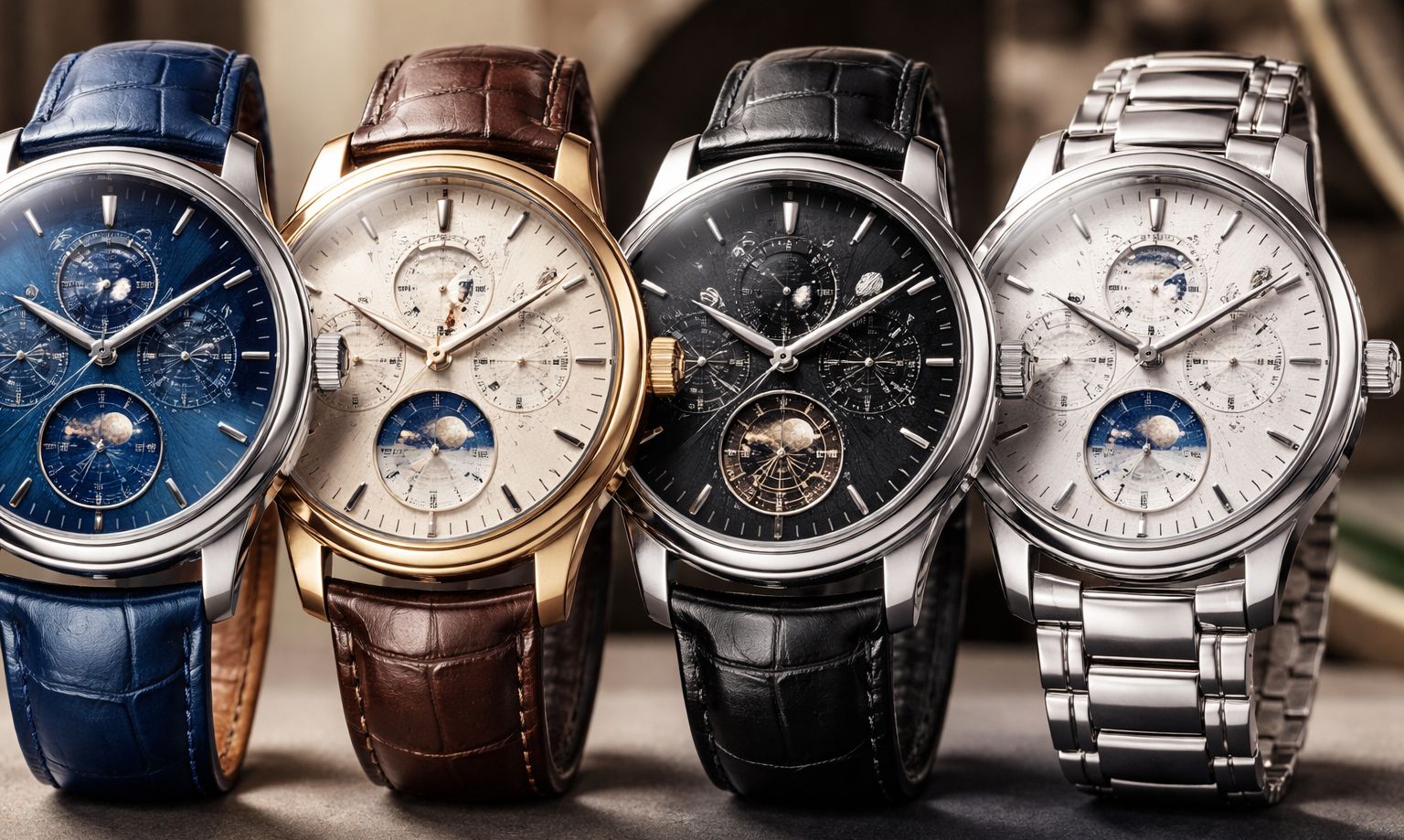
The Clear Difference: Inside the World of Luxury Watch Crystals
The world of luxury watches is both complex and fascinating. From luxury watch complications, to the case, the dial, bezels and the straps all play a very important role in establishing its value. In this world of horology, the watch crystal is one of the most crucial yet often overlooked components of a timepiece.
The luxury watch crystal is nothing but the thin transparent cover that protects the dial from dust, moisture, and external damage while allowing clear visibility of the watch’s timekeeping functions.
Different crystals offer different levels of protection. The material you choose can affect clarity, scratch resistance, repairability, and even the long-term value of your watch. From the iconic sapphire crystal to the more affordable mineral glass, we’ll discuss the pros and cons of each option and help you choose the perfect watch glass for your needs.
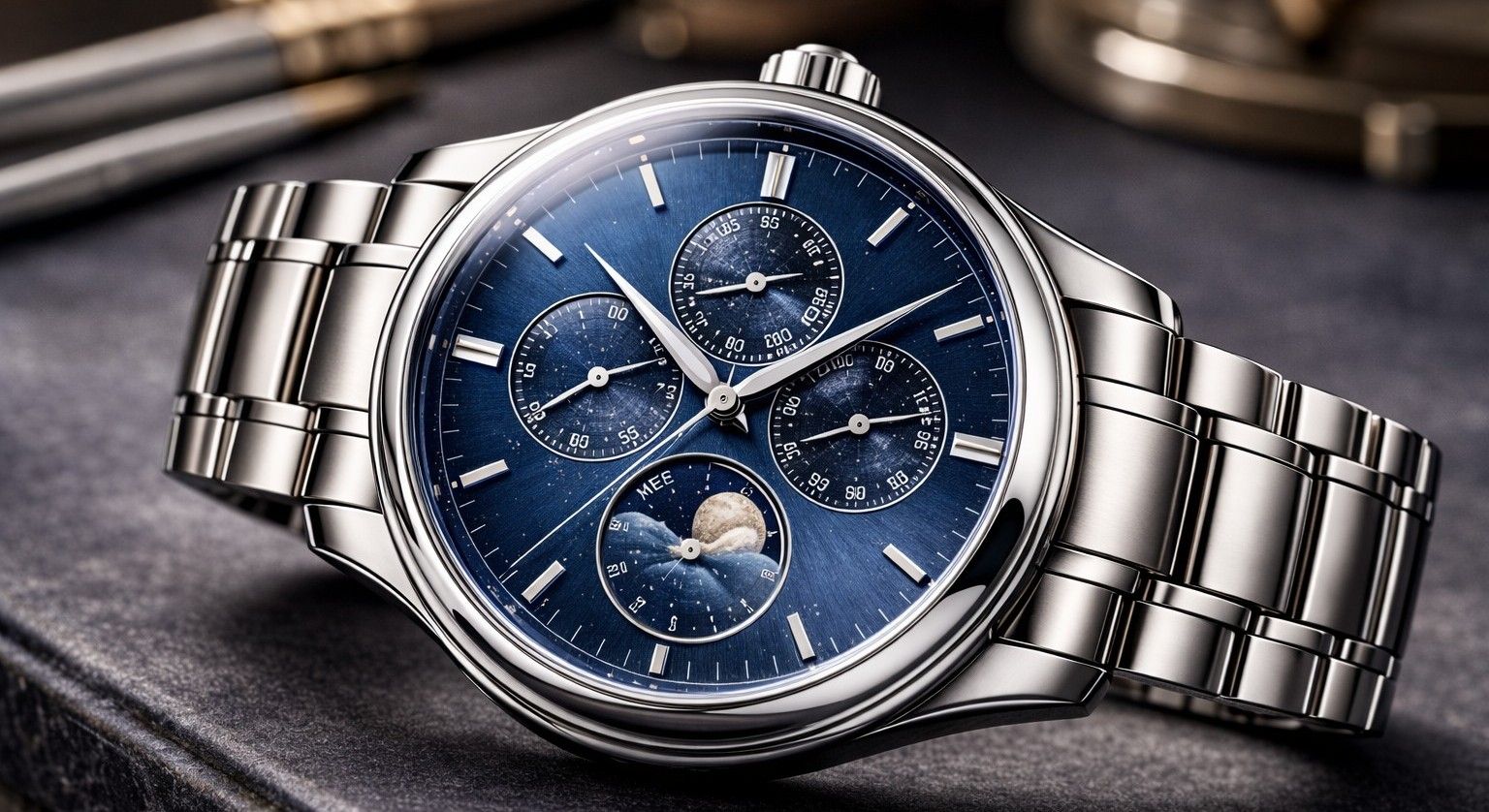
Also Read: Vintage Dress Watches: A Guide
A History of Watch Crystals
A Luxury watch crystal is the protective covering over the dial. These crystals have evolved from 17th-century rock quartz to modern, highly scratch-resistant synthetic sapphire.
- 17th Century
Early pocket watches in the 17th and 18th centuries used natural materials like rock crystal and glass. Rock crystal, a form of quartz, was valued for its clarity but was expensive and difficult to shape.
- Early 20th Century
By the mid-20th century, acrylic crystals rose to prominence, especially in military and tool watches. Iconic watches from the 1940s through the 1960s often featured acrylic crystals.
- 1960s-Present
Synthetic sapphire, manufactured via the Verneuil process (flame fusion) since the late 19th century, became the standard for high-end, luxury timepieces due to its extreme hardness. Today, sapphire dominates the high-end market, though acrylic and mineral glass still hold important places in watchmaking.
The Three Main Types of Watch Crystals
https://www.youtube.com/watch?v=DQ8Oju9UbHU
Video Credit: Long Island Watch
Luxury and premium watches generally use one of three crystal types:
- Acrylic (Hesalite or Plexiglass)
- Mineral Glass
- Sapphire Crystal
Each has distinct characteristics that influence durability, aesthetics, and value.
- Acrylic Crystal

Acrylic crystal, also known by brand names like Plexiglass, Perspex, and Hesalite (a common name in watchmaking), is a transparent, synthetic polymer.
Acrylic is light, shatter-resistant, and surprisingly flexible. Acrylic’s resilience to shattering made it ideal for watches that would be used in harsh environments, like military or dive watches – and in space too, as it was the material of choice for the Omega Speedmaster, which became the Moonwatch.
Pros of Acrylic Crystal
- Highly impact-resistant and unlikely to shatter
- Lightweight and comfortable on the wrist
- Scratches can be easily polished out
- Warm, vintage look with soft distortion at angles
Cons of Acrylic Crystal
- Scratches very easily
- Less clear than sapphire over time
- Feels less “luxurious” to modern buyers
Effect on Watch Value
Acrylic crystals can both increase and decrease value depending on context. In vintage watches, original acrylic crystals are often preferred by collectors and can increase authenticity and resale value. For modern luxury watches, acrylic is usually seen as a downgrade unless it’s part of a historically significant design.
- Mineral Glass Crystal
Mineral glass is made from silica-based glass that is chemically treated or heat-tempered to increase its strength and impact resistance. Mineral glass is an affordable alternative to sapphire, offering a certain durability at a relatively low cost. Great for everyday wear pieces and budget-friendly models.
Pros of Mineral Glass
- More scratch-resistant than acrylic
- More affordable than sapphire
- Good optical clarity
Cons of Mineral Glass
- Can shatter on a strong impact
- Scratches cannot be polished out easily
- Considered entry-level in the luxury segments
Effect on Watch Value
Mineral glass generally has a neutral or slightly negative effect on luxury watch value. It’s common in mid-range watches and fashion brands but rare in true high-end horology.
- Sapphire Crystal
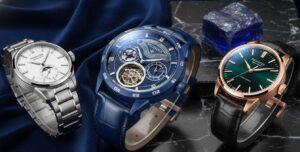
Sapphire crystal is made from synthetic sapphire, a crystalline form of aluminium oxide.
Sapphire is one of the hardest materials known to man, second only to diamond. It is manufactured through a process called the Verneuil method, which involves melting aluminium oxide at high temperatures in a furnace to create large sapphire pieces, which are then cut and polished into thin, transparent disks to form watch crystals.
Pros of Sapphire Crystal
- Extremely scratch-resistant
- Maintains clarity for decades
- Enhances perceived luxury and quality
Cons of Sapphire Crystal
- More expensive to produce and replace
- Can shatter under severe impact
- Anti-reflective coatings can scratch
Effect on Watch Value
Sapphire crystal significantly boosts watch value. It is expected in modern luxury watches and is often seen as a baseline requirement for watches above a certain price point.
Collectors associate sapphire crystal watches with modern craftsmanship and durability, making it a strong selling point in both retail and resale markets.
How Watch Crystals Affect Overall Watch Value
- Perceived Quality
Buyers often equate sapphire crystal with premium craftsmanship. Even non-enthusiasts notice when a watch resists scratches after years of wear.
- Longevity
A crystal that stays clear protects dial condition and readability. This directly affects resale value and collectability.
- Brand Alignment
Collectors expect certain materials from certain brands. A mismatch, such as mineral glass on a high-priced watch, can hurt brand perception.
- Historical Accuracy
For vintage reissues or heritage models, acrylic crystals can enhance value by staying faithful to the original design.
Choosing the Right Crystal as a Buyer
Choosing the right watch crystal ultimately comes down to how you plan to wear your watch and what you value most.
Acrylic crystal is the most budget-friendly option and offers excellent shock resistance, making it less likely to shatter if the watch is dropped. However, it scratches easily and can yellow over time.
Mineral glass strikes a middle ground between cost and durability. It offers better scratch resistance than acrylic and is widely used in mid-range watches. While it provides good everyday protection, it can crack or shatter under strong impact and lacks the long-term clarity of sapphire.
Sapphire crystal sits at the top of the hierarchy. Known for its exceptional hardness, long-lasting clarity, and strong resistance to scratches, it is the preferred choice for luxury watches and active lifestyles.
In the end, your choice should reflect your budget, lifestyle, and expectations. If affordability and practicality matter most, mineral glass is a reliable option. If scratch resistance, clarity, and long-term value are priorities, sapphire crystal is the clear winner. Acrylic crystal, meanwhile, remains a compelling option for vintage enthusiasts and those who appreciate its classic charm.
Final Thoughts
Luxury watch crystals are far more than a transparent cover. They reflect a watch’s purpose, era, and intended audience. Whether it’s the warm distortion of acrylic, the practicality of mineral glass, or the near-indestructibility of sapphire, each crystal type tells a story.
For collectors, crystal choice can influence authenticity and resale value. For everyday wearers, it affects durability and visual enjoyment. In the world of luxury watches, even the clearest detail can make a significant difference.
Giftex: A World of Collectible Auction
Giftex brings you a carefully curated collection of vintage and luxury watches from around the world. Known for its focus on quality and authenticity, Giftex has become a trusted destination for collectors and watch enthusiasts alike.
Watch enthusiasts can look forward to the upcoming auction this February, featuring exceptional timepieces that celebrate craftsmanship, heritage, and timeless design.


About Post Author