
The Material Matter: A Closer Look at Watch Case Materials
Watch enthusiasts will agree that one of the most important factor when choosing luxury watches are the watch case materials. Modern watchmakers have a huge variety of case materials to choose from. However, this was not always the case with vintage watches.
If you look back at the history of watchmaking, one metal dominates case-making: gold. This is because the gold watch case is almost entirely resistant to corrosion. The next big watch case material you will find in many vintage luxury watches is stainless steel. These days, we are spoiled for choices when it comes to watch case materials, and in addition to traditional options like stainless steel and gold, we now have many modern synthetic materials such as ceramic and carbon composites. That does not mean that one material is better than the other. The best material for a watch case largely depends on the design of that specific watch and the nature of its intended use.
In this blog, we will delve into the different types of watch case materials and explore the advantages and disadvantages of the most popular ones.
Also Read: Luxury watch Crystals
Types of Watch Case Materials
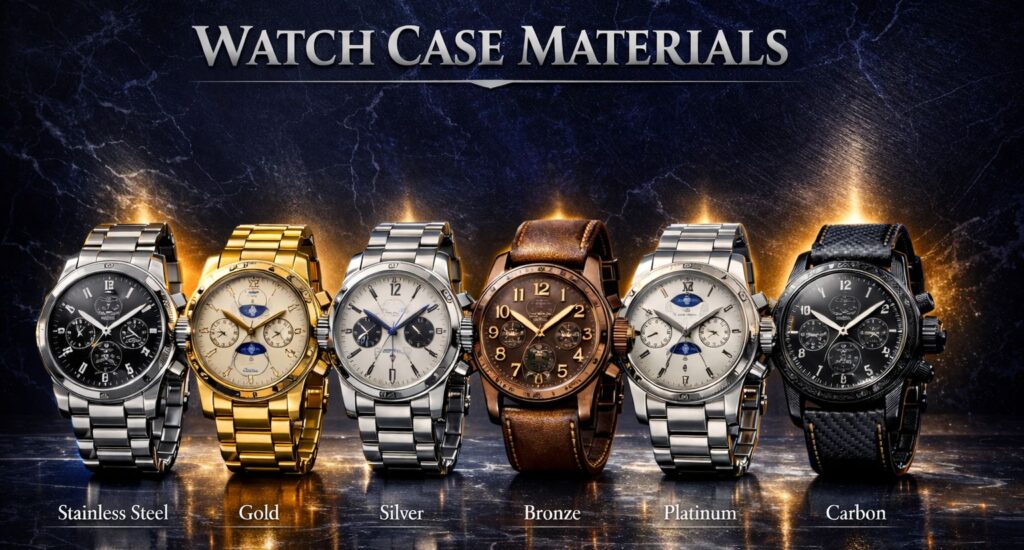
Below is a breakdown of the most common watch case materials, their advantages and disadvantages, and the kind of wearer they best suit.
- Stainless Steel Watches
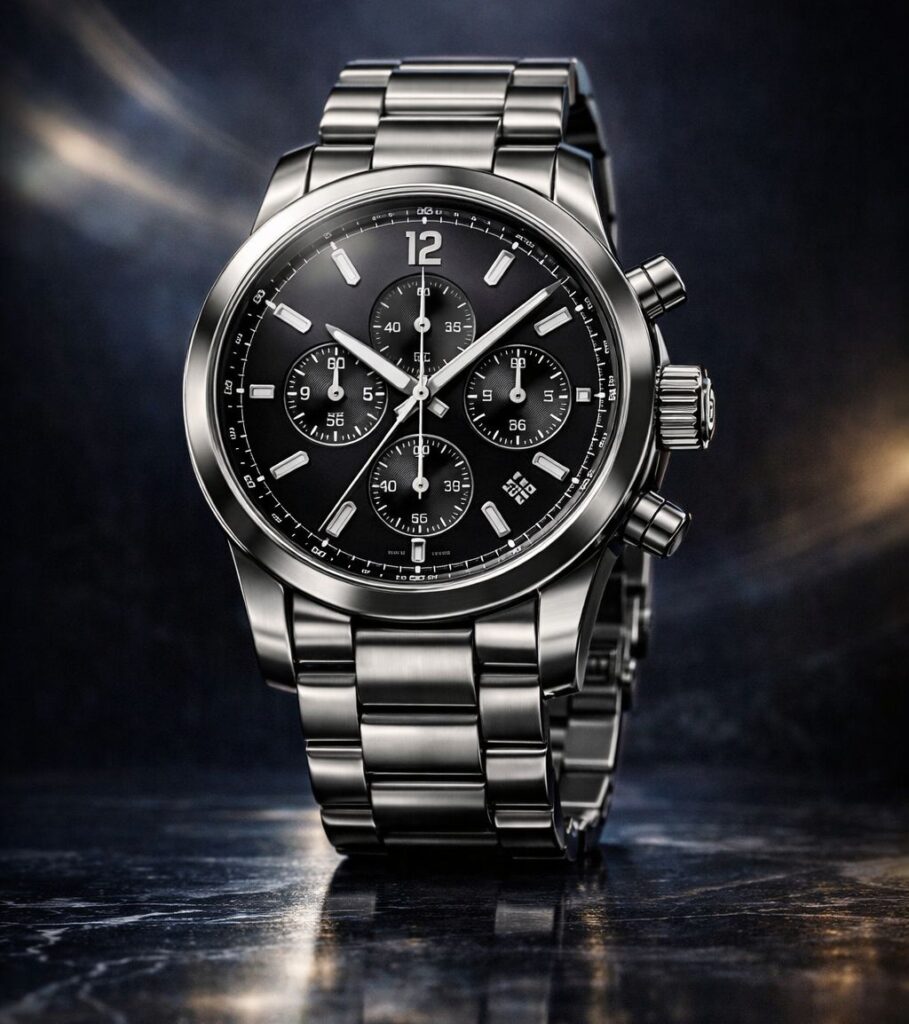
Stainless steel is, perhaps, the most popular type of material when it comes to a watch case. Stainless steel is significantly lighter than gold, durable, and highly corrosion-resistant.
You will find these cases in:
- Diving Watches: Due to their resistance to water, corrosion, and pressure, many diving watches use stainless steel cases.
- Daily Wear Watches: Their hardness and timeless style make them ideal for everyday use.
- Affordable Luxury Watches: Stainless steel provides a refined, luxurious appearance without high cost.
Pros
- Strong and corrosion-resistant
- Easy to polish or brush
- Affordable compared to precious metals
- Suitable for long-term daily use
Cons
- Heavier than titanium or carbon
- Scratches appear over time
- Less exclusive than rare materials
Best For
Steel suits almost everyone. It’s ideal for daily wearers, first-time collectors, and anyone who wants a watch that works in both casual and formal settings.
2. Gold and Silver Watches
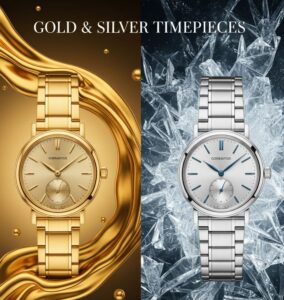
Gold and silver have long been associated with prestige and tradition. Before the proliferation of stainless steel, gold was the material of choice for watch cases due to its being highly corrosion-resistant and easily worked into detailed shapes
Silver has a long tradition in watchmaking, offering classic elegance and bright shine.
Pros
- Strong visual presence and unmistakable luxury
- Gold does not corrode or rust
- Available in yellow, white, and rose tones
- Ages gracefully when well cared for
Cons
- Softer than steel, prone to scratches and dents
- Heavier on the wrist
- More expensive
- Silver tarnishes easily and requires frequent polishing
Where You’ll Find It
Gold is common in luxury dress watches from brands like Patek Philippe, Vacheron Constantin, and Breguet. Silver is mostly seen in historical or limited-production pieces.
Best For
Gold watches suit collectors, formal wearers, and those who view watches as jewellery as much as tools. Silver appeals mainly to vintage enthusiasts who appreciate historical charm.
- Titanium Watches
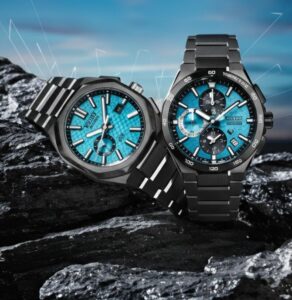
Titanium is a metal with an excellent strength-to-weight ratio: it has a lower density than steel but the same strength. It has the ability to resist corrosion, particularly from seawater and chlorine.
Pros
- Extremely lightweight
- Corrosion-resistant
- Hypoallergenic
- Comfortable for long wear
Cons
- More expensive than steel
- Scratches are harder to refinish
- Matte appearance may feel less refined
Where You’ll Find It:
- Diving Watches: Titanium is widely used in diving watches because of its resistance to corrosion and light weight.
- Sports and Adventure Watches: Titanium is the material of choice for sports watches because it offers weight, comfort, and robustness.
- Luxury Watches: Titanium is, moreover, present in luxury watches of the elite, prized because of its aesthetic value.
Best For
Titanium is ideal for active wearers, travellers, and anyone who wants a larger watch without added weight. It’s especially good for people with sensitive skin.
4. Bronze Watches

Bronze is known for its ability to develop a natural patina over time, giving each watch a unique appearance.
Pros
- Develops a distinctive patina
- Strong and corrosion-resistant
- Warm, vintage-inspired aesthetic
- Each case ages differently
Cons
- Patina can stain skin
- Appearance changes unpredictably
- Not suitable for formal settings
Where You’ll Find It:
- Diving Watches: Bronze is often used in dive watches inspired by maritime history.
- Heritage-Style Watches: Selected for their warm tone and aged look
- Limited Edition Watches: Common in small production runs for collectors.
Best For
Bronze suits enthusiasts who enjoy character and ageing. It’s ideal for casual wearers who want a watch that tells a story over time.
- Platinum Watches
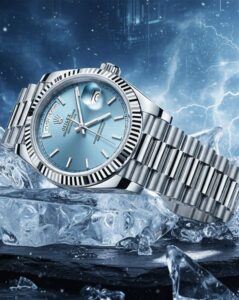
Platinum is one of the rarest and most prestigious watch case materials. One of the most important properties of platinum is that, like gold, it is highly resistant to corrosion.
Pros
- Extremely dense and heavy
- Highly resistant to corrosion
- Develops a subtle patina rather than losing material
- Exclusivity and prestige
Cons
- Very expensive
- Heavy on the wrist
- Scratches easily.
Where You’ll Find It:
- High-End Dress Watches: Reserved for refined and exclusive designs.
- Grand Complication Watches: Used to highlight technical mastery and rarity.
- Collector-Focused Luxury Watches: Often produced in limited numbers.
Best For
Platinum suits serious collectors and connoisseurs who value understatement and exclusivity over visual flash.
- Ceramic Watches

Ceramic can often be somewhat of a blanket term used to describe a variety of different inorganic materials used throughout the watch industry, but all of them are characterised by their super-hard and rigid structure.
Pros
- Extremely scratch-resistant
- Lightweight
- Colour does not fade
- Resistant to heat and UV exposure
Cons
- Brittle and can crack under hard impact
- Difficult and costly to repair
- Feels colder on the wrist
Where You’ll Find It:
- Modern Sports Watches: Chosen for durability and wear resistance.
- Luxury Watches: Ideal for maintaining a clean look over time.
- Contemporary Design Watches: Popular in modern and minimalist styles.
Best For
Ceramic suit wearers who want a clean, modern look and minimal wear over time.
- Carbon Watches

Just like ceramic, carbon is another umbrella term used to describe modern synthetic composite materials that feature carbon fibres or fragments embedded in a rigid resin structure.
Pros
- Extremely lightweight
- High shock resistance
- Modern, technical appearance
Cons
- Can feel less “luxurious”
- Limited refinishing options
- Higher production costs
Where You’ll Find It:
- Sports Watches: Designed for extreme conditions.
- Avant-Garde Luxury Watches: Focused on innovation and engineering.
- Large Case Watches: Used to reduce weight in oversized designs.
Best For
Carbon suits performance-driven wearers, athletes, and collectors who value innovation and technical design over tradition.
Final Thoughts
The selection of a watch case material is a matter of personal preference and lifestyle.
Watch case materials are more than just a shell. They shape how a watch feels, ages, and fits into your life. Whether you prefer the timeless reliability of stainless steel, the warmth of gold, the comfort of titanium, or the innovation of ceramic and carbon, the right material enhances both the experience and enjoyment of wearing a watch.
Giftex: A World of Collectibles Auction
This February, Giftex returns with another exceptional collectibles auction. Among the highlights is a carefully curated selection of luxury and vintage watches that will captivate any watch enthusiast. Don’t miss the opportunity to find the watch that speaks to you.


About Post Author